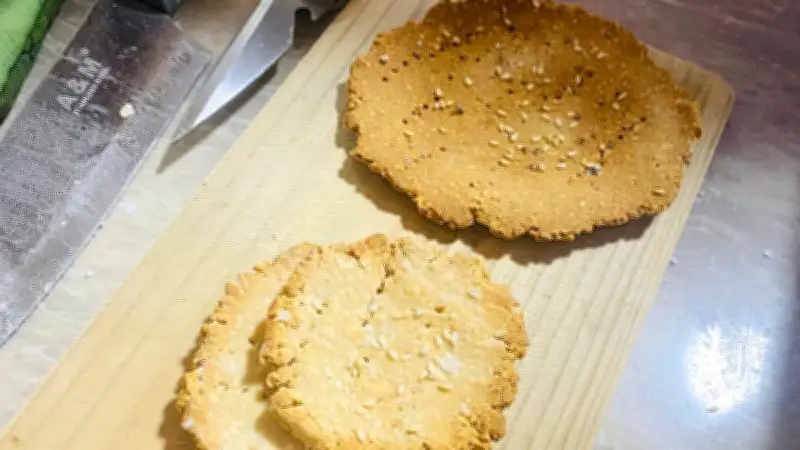
I baked my own matza bread for Passover in Davao, Philippines, in April 2026. Although I am not Jewish, I felt a deep longing to understand the biblical roots of my faith. This led me to observe Passover in my own way, focusing on Jesus—Yeshua—as a Jewish man raised in those traditions.
A Personal Journey to Biblical Roots
Two years ago, I decided to go straight to the source—the Bible. In that journey, I encountered a perspective that shifted things for me: Jesus was not “Christian” in the modern sense; He was Jewish, a Yahudaeem, shaped by the laws and rhythms of His time. This made me question why Christians sometimes set aside the very practices that formed Him.
I do not consider myself religious in the traditional sense, but I believe in the Trinity and seek truth even when uncomfortable. When human interpretations confuse me, I return to Scripture—reading, questioning, comparing translations, and learning Hebrew. My evenings are filled with podcasts and quiet study, piecing together a story I thought I knew.

Faith as a Lived Experience
Faith is not just something we read; it is something we try to live. Not all ancient instructions apply directly to modern life, but I focus on essentials: keeping the Ten Commandments, including the Sabbath, intentionally if not perfectly.
This brings me to Passover. The crucifixion of Jesus is closely tied to Passover. That year, Passover overlapped with a High Sabbath; He was crucified and died on Thursday, giving exactly three days. This made me rethink traditions like Easter bunnies and eggs—harmless but possibly distracting from deeper meaning.
Observing Passover in Davao
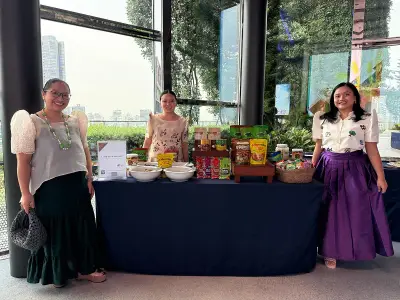
This year, I spent Passover in prayer—simple, intentional. I shared meals with my mother, simple but abundant. At the farm, I opened the gates and invited anyone to come; we cooked and served organic food grown from the land. For those who couldn't make it, I sent food to them, extending the table beyond physical boundaries.
I also observed small practices: offering my “first fruits” (the best, without blemish), giving thanks, and refraining from leavened food for a week. It wasn't about perfection but awareness. There are many aspects of Shabbat and Passover I cannot fully practice, like the 39 prohibitions, but I honor the heart behind them.
The Ultimate First Fruit
At the center of it all is a story of sacrifice, deliverance, and grace—the ultimate First Fruit offering already given. Hummus became a staple for Passover. This experience reminded me that faith doesn't require grand gestures; sometimes, it's found in returning to the source, asking honest questions, sharing what you have, and making space at your table. Even here in Davao, even now.