Cebu Authorities Introduce Emergency Measures to Counter Fuel Price Impact
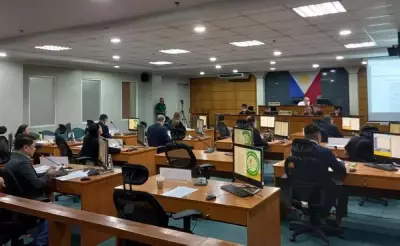
In response to escalating fuel prices driven by the Middle East crisis, the Cebu Port Authority (CPA) and the Department of Trade and Industry (DTI) in Cebu Province have launched a series of cost-cutting and supply chain interventions. These measures, discussed during a recent logistics and supply chain convergence meeting, aim to alleviate operational burdens on businesses and consumers, ensuring the uninterrupted flow of essential goods.
Immediate Port Relief Initiatives
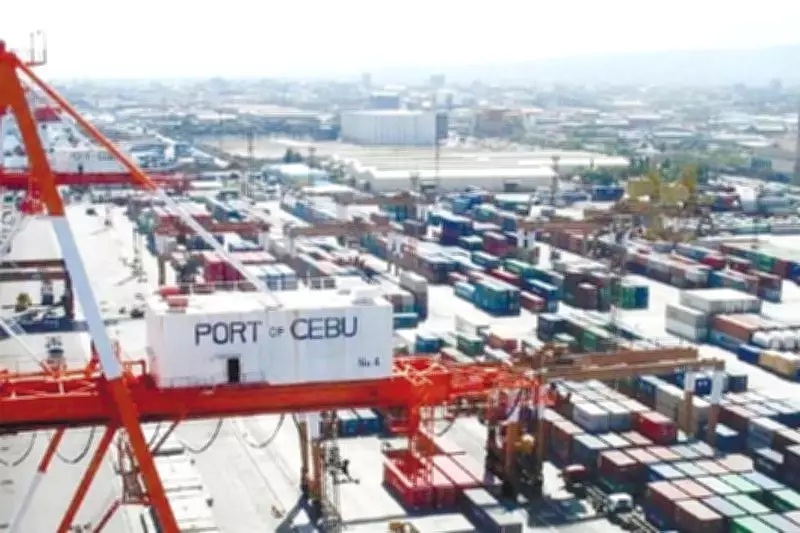
To provide immediate financial relief, the CPA has waived passenger terminal fees, effective 15 days after publication. Additionally, a 40 percent discount on berthing and anchorage fees for domestic vessels has been approved, alongside the suspension of roll-on/roll-off wharfage fees for vehicles transporting agricultural products. Further efforts include suspending terminal fees across all CPA-operated passenger facilities and waiving permit-related charges, such as those for single entry passes, watering, bunkering, and other Harbor Control Center approvals.
The CPA will also subsidize terminal operations, covering essential services like utilities, security, sanitation, medical services, and staffing. To enhance efficiency, stakeholders have proposed empowering local Bureau of Customs officials, a move expected to expedite the release of essential goods, reduce reliance on central office approvals, and minimize delays that could lead to added costs like demurrage.

DTI's Phased Response Plan
On the trade front, the DTI has presented a comprehensive phased response plan. Immediate measures include tightened price monitoring for fuel and basic goods, tax and fee relief for micro, small, and medium enterprises, and the activation of crisis help desks and emergency credit support. For the short to medium term, the agency aims to diversify suppliers and markets, expand loan access, develop a supply chain resilience roadmap, and advocate for fiscal support.
The DTI has also urged relevant agencies to convene within 30 days to align a unified business crisis response framework, emphasizing coordinated action to address ongoing challenges.
Business Sector Calls for Urgent Action
The Cebu Chamber of Commerce and Industry (CCCI) has echoed the urgency for immediate government interventions as fuel prices continue to rise. Francis Dy, CCCI vice president for business advocacy and policy, highlighted that the logistics sector is among the hardest hit, with rising fuel costs driving up expenses across the entire supply chain.
Dy stressed that the private sector's primary concern is tempering the sudden surge in operational expenses to protect businesses. He called for faster processing of essential goods at ports to avoid further delays and financial burdens, stating, "We need to act now. While we hope prices stabilize soon, we have to prepare for the worst."
Despite the looming challenges, Dy remained optimistic that coordinated efforts between the government and the private sector would mitigate the crisis, noting, "It's better to act than do nothing. Even small measures can help." This collaborative approach underscores the importance of proactive measures in navigating economic uncertainties.