Cebu Transport Groups Urge Swift Implementation of Service Contracting Amid Fuel Price Crisis
Various transportation groups in Cebu have issued a pressing call for the immediate implementation of service contracting, backed by substantial national government funding. This initiative is viewed as the sole viable solution to modernize the sector while safeguarding drivers against the relentless surge in fuel prices.
Demonstrations and Dialogues Highlight Urgent Demands
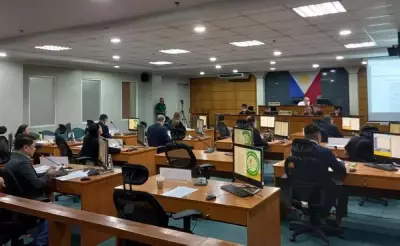
The appeal was voiced during a demonstration and subsequent dialogue between transport leaders and officials from the Land Transportation Franchising and Regulatory Board (LTFRB) Region 7 on Monday, March 23, 2026. This event followed a mobilization by labor and transport groups outside the agency's office.
Represented by entities such as Partidong Manggawa–Sentro Cebu, the National Confederation of Transport Workers Union (NCTU), and the National Federation of Transport Cooperatives (NFTC), the groups reiterated their demand for structural reforms in response to the ongoing increase in gasoline prices.

How Service Contracting Works
Under service contracting, the government would compensate operators based on the number of trips or distance covered. This model ensures stable income for operators, reducing their reliance on daily passenger counts.
The groups emphasized that without such reforms, drivers would continue to bear the heavy burden of fuel expenses while paying fixed boundary fees, leaving them with minimal or no take-home pay.
Immediate Financial Relief and Legislative Support
Drivers have urged authorities to expedite the release of fuel subsidies to provide immediate financial assistance. Additionally, the groups expressed support for legislative measures aimed at making crude oil more affordable for the transportation sector.
Operators have renewed their request for fare increases, citing frustration over the suspension of petitions, particularly for provincial routes.
Warning of Driver Exodus and Impact on Transportation Availability
Transport leaders have issued a warning that many drivers are already leaving their jobs to pursue delivery-based positions, where income is more secure. They cautioned that if this issue remains unresolved, the trend could lead to a decline in active drivers, adversely affecting transportation availability.
LTFRB's Response and Call for Continued Dialogue
In response, LTFRB Region 7 Regional Director Abosamen Matuan advocated for a collective approach, positioning the agency as a bridge between transport stakeholders and national policymakers.
Matuan confirmed that all concerns raised during consultations, especially regarding fuel price hikes, have been documented. He assured that these issues would be escalated to the central office for attention by higher officials.
Matuan encouraged the groups to avoid transport strikes and instead engage in ongoing dialogue as the primary method for resolving problems.