Department of Agriculture Faces Potential P40 Billion Funding Shortfall Due to Oil Crisis
The Department of Agriculture (DA) in the Philippines is confronting a significant financial challenge, with projections indicating a potential need for an additional P40 billion in funding should the ongoing oil crisis continue unabated. This alarming revelation was made by Agriculture Secretary Francisco Laurel Jr., who outlined the severe budgetary constraints facing the agency as it strives to mitigate the impacts of soaring fuel prices on the agricultural sector.
Current Funding Insufficient to Address Escalating Needs
Secretary Laurel disclosed that the DA currently has only P150 million allocated for fuel subsidies, a figure starkly inadequate given the scale of the crisis. Furthermore, the agency has access to P10 billion from the Presidential Assistance to Farmers and Fishermen program, but this sum falls short of the comprehensive support required. The situation is particularly dire regarding fertilizer, where the DA estimates a need for P30 billion, yet currently possesses only half of the necessary funds to secure this critical input for crop production.
Specific Financial Requirements for Key Agricultural Sectors
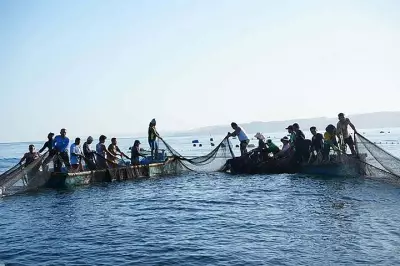
In addition to the fertilizer shortfall, the DA has identified urgent funding requirements for other vital segments of the agricultural community. An extra P20 billion is deemed essential to support rice farmers, who are grappling with increased production costs due to the oil crisis. Similarly, fisherfolk are in need of an additional P10 billion to sustain their livelihoods amidst rising fuel expenses that threaten their operational viability.

Projected Agricultural Losses and Government Intervention Gaps
The DA had previously estimated that the minimum loss in agricultural products could reach 20%, equivalent to two million metric tons, if the oil crisis persists. This projection underscores the severe economic repercussions on food security and farmer incomes. Despite these warnings, government interventions have thus far been insufficient to fully address the cascading effects of the crisis, leaving a gap in protective measures for the agricultural sector.
Secretary Laurel emphasized that without immediate and substantial financial reinforcement, the DA's ability to cushion farmers and fisherfolk from the oil crisis's adverse effects will be severely compromised. The call for additional funding highlights the critical intersection of energy prices and agricultural sustainability, urging policymakers to prioritize support for the nation's food producers during this turbulent period.