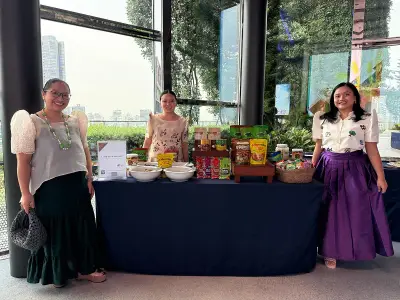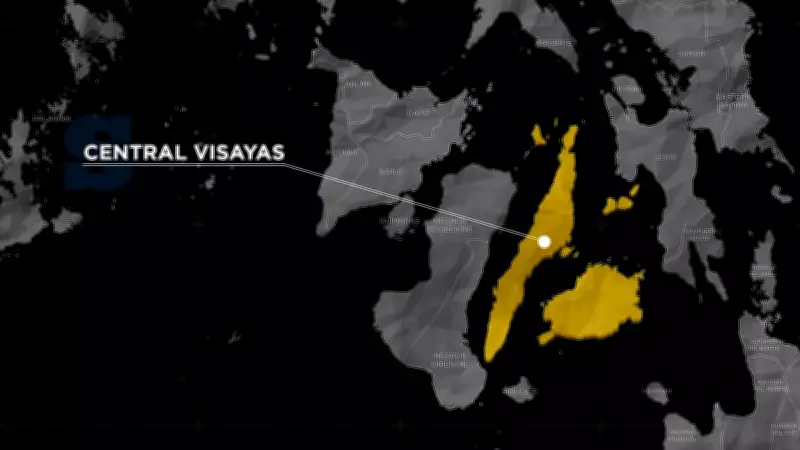
The Department of Science and Technology – Region 7 (DOST 7) has initiated a collaborative bamboo industry in Central Visayas through the Bamboo Technology and Innovation Summit. This event serves as a crucial bridge to align farmers, local government units (LGUs), micro, small, and medium enterprises (MSMEs), and international partners towards sustainable development.
Bamboo as a Carbon Asset and Economic Driver
Dr. Tristan Abando, DOST 7 Regional Director, emphasized in a statement to SunStar Cebu on March 4, 2026, that bamboo is not merely a renewable resource but also a significant carbon asset. By engaging in bamboo cultivation and processing, farmers can accumulate carbon dioxide, opening up opportunities for carbon credits. This system is designed to provide funding and enhance the livelihoods of local communities, fostering economic resilience.
Focus on High-Value Bamboo Products
The summit highlighted bamboo products with elevated value, such as textiles, furniture, and ornamental bamboo. Research into bamboo textiles aims to strengthen the fiber industry in the Philippines, while furniture and landscaping initiatives promote a circular economy, reducing waste and encouraging sustainable practices.

Strategic Planning for Ecological Balance
Dr. Abando underscored the importance of strategic planning for bamboo plantations across Cebu, Bohol, and Mindanao. This approach seeks to meet growing demand while protecting the ecology, ensuring that expansion does not compromise environmental integrity. The summit aims to balance industrial growth with conservation efforts, setting a precedent for responsible resource management in the region.