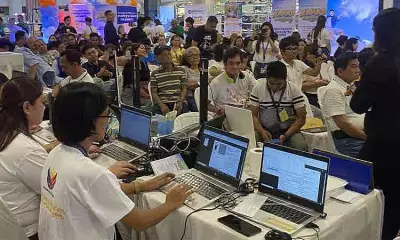

The Government Service Insurance System (GSIS) has launched the Bike and E-Mobility (GBEL) Program, allowing members to borrow up to P300,000 to purchase brand-new electric vehicles and bicycles, including e-bikes, e-scooters, and e-mopeds. The program offers a five percent annual interest rate with a three-year repayment scheme via salary deductions.
Privilege and Pitfalls of Private Vehicles
Owning a private vehicle is a privilege many Filipinos desire. Consequently, privately owned motorized vehicles, especially Light Electric Vehicles (LEVs), are becoming a coveted means of personal travel. However, there are significant downsides to their proliferation, the most pressing being traffic congestion. As LEVs multiply, road use becomes inefficient; they consume valuable space that should be prioritized for public utility vehicles (PUVs) with higher passenger capacities. Furthermore, LEVs are prone to accidents, particularly on major thoroughfares.
Confusing Rules and Safety Risks
While the government is mandated to promote the development of the electric vehicle industry, the rules and procedures governing LEVs remain confusing. For instance, regarding vehicle registration: if the process were clear and accessible, a massive influx of existing LEVs would already be lining up to register. The proliferation of LEVs presents serious challenges to urban environments and road safety. An excessive number of these units can easily lead to infrastructure bottlenecks and increased accident rates, which is why authorities currently prohibit them from highways.

LEV riders face higher risks because they lack the protective crumple zones of cars. Inexperienced users, including young government workers, may be tempted to operate LEVs at top speeds to reach the office on time, creating hazards for themselves and others. Studies suggest that e-scooter users, for example, may be exposed to crash rates four to 10 times higher than regular cyclists.
Irony of GSIS Program
Our roads are already struggling to accommodate LEVs alongside cars, jeepneys, taxis, buses, and tricycles. This congestion necessitates stop-gap measures such as the odd-even plate scheme and truck bans. It is ironic that this GSIS program appears to be driving up road congestion and traffic hazards. If the government is ultimately responsible for allocating funds to make road infrastructure safe and responsive to transport demands, why is one of its financial institutions seemingly promoting congestion by increasing the number of LEVs?
Impact on Public Transport
The GBEL Program encourages government employees to abandon public transportation. At a time when we should be assisting operators and drivers of tricycles, jeepneys, vans, and buses, who are hardest hit by the energy crisis, the GSIS should be designing programs that benefit them, rather than schemes that run contrary to their interests. Government financial institutions and agencies should not encourage the spread of LEVs that siphon passengers away from PUVs while competing for limited road space.
Alternative Solutions
Why can't the GSIS offer soft loans to assist public transport cooperatives struggling with the energy crisis? If the GSIS is truly passionate about promoting electric vehicles, it could help bus and jeepney operators purchase electric-powered units to replace traditional ones, especially those plying routes where government offices and facilities are located.