Agriculture Secretary Francisco Tiu Laurel Jr. has provided a firm assurance that the Philippines' rice supply remains stable and secure, even in the face of escalating global oil prices and increased agricultural expenses stemming from ongoing tensions in the Middle East. The Department of Agriculture (DA) emphasizes that the nation is well-prepared to navigate these economic challenges without compromising food availability for its citizens.
Government Measures to Mitigate Production Risks
Secretary Laurel addressed concerns about a potential 20% decline in palay production, labeling it merely a "worst-case scenario" that is unlikely to materialize. He attributed this confidence to the proactive steps and interventions currently being enforced by the government. These initiatives are designed to bolster agricultural resilience and sustain output levels, ensuring that rice production does not falter under external pressures.
Global Supply and National Buffer Stocks
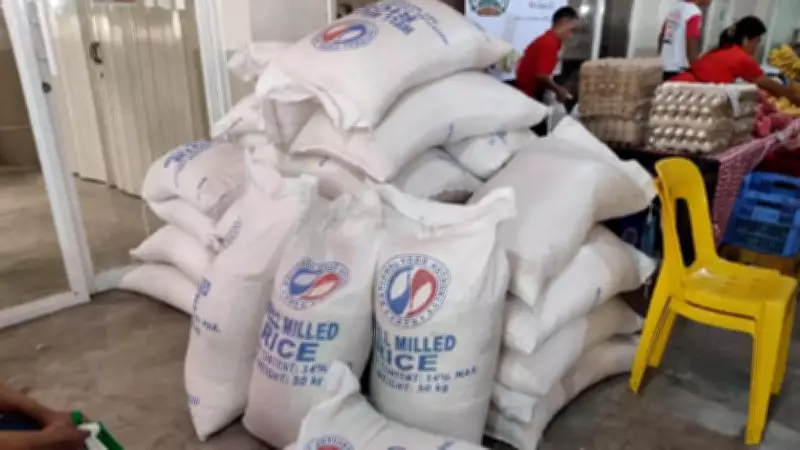
The Philippines is benefiting from an ample global rice supply, particularly as major exporters like India and Vietnam are in their peak harvest seasons. This international abundance helps cushion any domestic shortfalls. Domestically, the National Food Authority (NFA) reports that its storage facilities are nearly full, serving as a critical buffer stock to safeguard against supply disruptions and price volatility.

Financial Support for Farmers and Fisherfolk
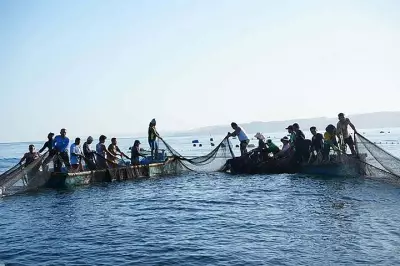
To directly assist those in the agricultural sector, the DA has allocated a substantial P10 billion assistance package. This funding targets farmers and fisherfolk, offering essential support such as fuel subsidies and other tailored interventions, with a primary focus on rice production. Additionally, the government stands ready to augment this support with up to P20 billion for farm inputs and a further P10 billion for aid to fisherfolk, aimed at preserving their livelihoods and maintaining productivity.
Promoting Sustainable Agricultural Solutions
In a move toward long-term sustainability, the DA is advocating for the adoption of alternative solutions like biofertilizers. This strategy aims to reduce dependency on costly agricultural inputs, thereby lowering production costs and enhancing environmental friendliness. By integrating such innovations, the department seeks to create a more resilient and efficient agricultural system capable of withstanding future economic shocks.