Philippines Implements Toll Fee Exemption for Agricultural Trucks to Combat Energy Crisis Impact
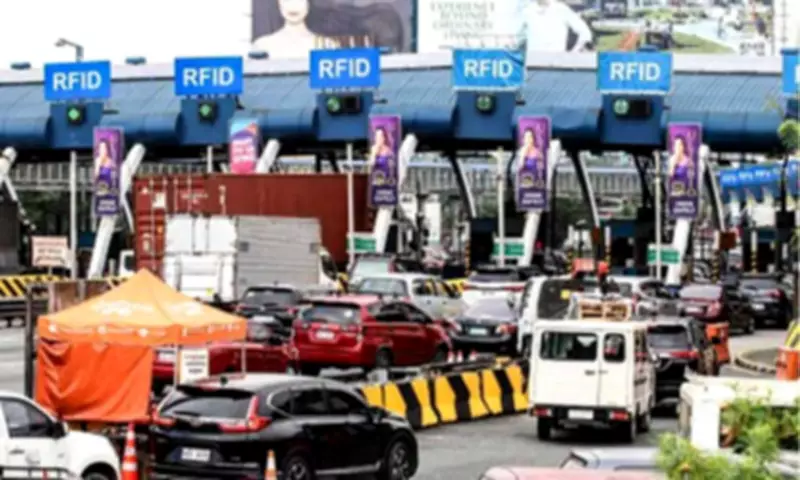
In a significant move to bolster the agricultural sector, the Department of Agriculture (DA) announced on Friday, April 17, 2026, that it has secured a month-long waiver of toll fees for agricultural trucks. This initiative aims to safeguard farmers' incomes and ensure a stable food supply as the nation grapples with an ongoing energy emergency.
Collaborative Effort to Ease Logistics and Stabilize Prices
The toll fee exemption, facilitated through a partnership with the Department of Transportation (DOTr) and the Toll Regulatory Board (TRB), is part of a broader strategy to reduce logistics costs. By alleviating financial burdens on agricultural transport, the government seeks to stabilize food prices and protect farmers from the adverse effects of rising fuel costs, which have been exacerbated by the energy crisis.
DA Secretary Francisco Tiu Laurel Jr. emphasized the importance of this temporary measure in a public statement. "We thank our tollway concessionaires for embodying the bayanihan spirit. This will help cushion the impact of higher fuel prices on food supply and affordability, and help protect farmers’ incomes during these challenging times," he said.

Financial Savings and Implementation Details
The toll fee waiver is set to take effect on April 20, 2026, and will apply exclusively to DA-accredited cargo vehicles. Projections indicate that the exemption could generate savings ranging from PHP52 million to PHP105 million over the month-long period. On a per-trip basis, accredited trucks are expected to save approximately PHP1,500 to PHP3,000, providing substantial relief to farmers and transporters.
Currently, there are 1,162 agricultural trucks accredited under the Food Lane program, which plays a critical role in the daily movement of up to seven million kilograms of food. This network supports around 3,500 farmers across the country. The potential for expansion exists, as more than 3,100 previously registered trucks could renew their accreditation, further increasing the number of participating vehicles.
Broader Implications and Future Considerations
This toll relief measure is not only a response to immediate economic pressures but also a step towards enhancing food security during the energy emergency. By reducing transportation costs, the government aims to prevent disruptions in the food supply chain and maintain affordability for consumers.
The initiative will be subject to review for possible extension beyond the initial month, depending on the evolving situation of the energy crisis and its impact on the agricultural sector. As the Philippines navigates these challenges, such collaborative efforts between government agencies and private concessionaires highlight a commitment to supporting vital industries and ensuring national resilience.