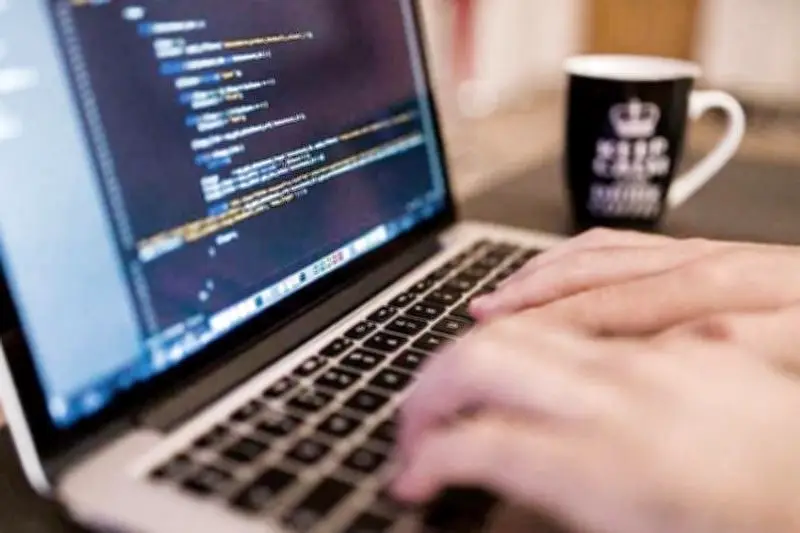
The Department of Energy-Mindanao Field Office (DOE-Mindanao) has revealed that flexible work arrangements, including work-from-home (WFH) schemes implemented during recent fuel supply uncertainties, proved effective in reducing government energy consumption while generating significant savings.
Energy Savings Achieved
During the Habi at Kape Business Forum on Wednesday, June 3, 2026, DOE-Mindanao reported that energy conservation measures adopted by government agencies nationwide resulted in substantial reductions in electricity and fuel use without disrupting public services.
Jesther Marlou Orong, Science Research Specialist II of DOE-Mindanao, cited data from the agency's Energy Utilization Management Bureau. "After conducting energy audits and spot checks, a total of 508.37 megawatts in energy savings was achieved nationwide as of May 31, 2026. This represents a 17.6 percent reduction in both fuel and electricity consumption, equivalent to approximately ₱200 million in estimated savings for the government sector," Orong said.

Policy Implementation
The energy-saving measures were implemented under Memorandum Circular No. 114 and formed part of the government's response to global fuel market volatility caused by geopolitical conflicts in the Middle East. The DOE-Mindanao said the figures demonstrate that alternative work arrangements can significantly reduce energy demand across government facilities while maintaining operational efficiency.
When asked whether government agencies that have already lifted their WFH arrangements may eventually return to traditional five-day office operations, Orong acknowledged that implementation would depend on each agency's specific needs. "We recognize that some agencies and local government units have already resumed regular office operations. It will really depend on the nature of their activities," he said.
"Nevertheless, flexible work arrangements remain encouraged because we have seen their positive impact, provided that government services are not hampered. Several agencies also shared positive experiences from implementing the arrangement, so we expect many of them to continue adopting flexible work setups," he added.
Mindanao Power Supply Stable
Apart from discussing conservation measures, DOE-Mindanao also assured the public that Mindanao's power supply remains stable despite some adjustments in electricity allocations from generating facilities. A utility representative explained that certain power plants have experienced reduced operational capacity due to equipment degradation, resulting in lower energy allocations. However, the reduction has been managed through coordinated distribution among electric cooperatives and distribution utilities across Mindanao.
The official said utilities continue to receive adequate power supply, particularly during off-peak hours. During peak-demand periods, only firm-contracted capacities are guaranteed, while non-firm allocations depend on grid conditions. Despite these adjustments, DOE stressed that Mindanao remains in a comfortable supply position.
"At present, Mindanao has ample power supply. In fact, we regularly export electricity to the Visayas through the submarine cable connecting the two island groups. This indicates that we currently have sufficient generation capacity to meet demand," the official said.
Growing Demand and Future Needs
The DOE noted that demand continues to rise, particularly in Davao Region, where electricity consumption is growing by an estimated 5 to 6 percent annually. He emphasized the need for continued investments in power generation facilities to keep pace with economic growth and future energy requirements.
The department assured consumers that there are currently no major threats to Mindanao's energy security beyond global fuel market concerns. While geopolitical developments and oil price fluctuations continue to affect fuel markets worldwide, DOE-Mindanao said the region's power system remains stable and has enough reserve capacity to meet present demand.

Instead of worrying about potential supply disruptions, the agency encouraged households, businesses, and institutions to contribute to energy security by adopting energy efficiency and conservation measures. DOE said that reducing unnecessary electricity consumption through simple actions such as switching off unused appliances, optimizing air-conditioning use, and supporting flexible work arrangements can collectively strengthen the country's energy resilience while lowering operating costs for both government and consumers.