
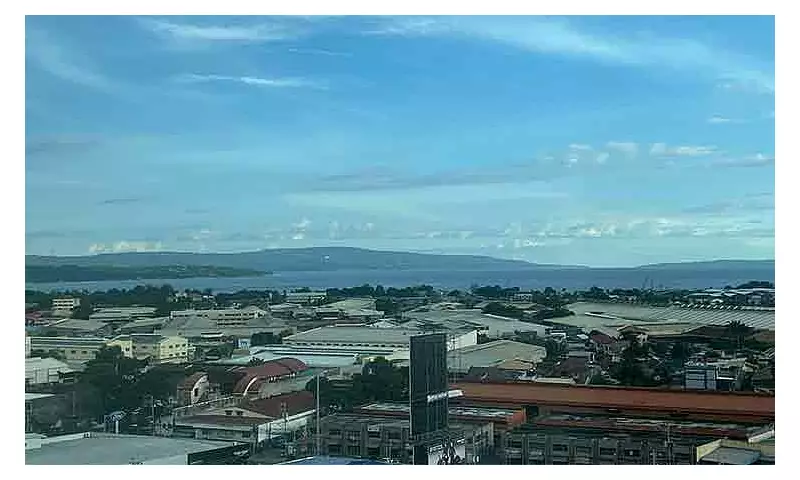
Davao City concluded the year 2025 by solidifying its status as the premier economic and commercial center of Mindanao. The city's growth was propelled by consistent investor confidence, significant developments in real estate, expanding retail projects, and a consumer market that adeptly navigated changing trends. Despite facing cost pressures, local businesses demonstrated resilience through continued investment, innovation, and expansion.
Inflation Trends and Business Confidence
Inflation played a key role in shaping spending habits across the Davao Region throughout 2025. Following a brief period of deflation in the middle of the year, the inflation rate climbed back to 0.6 percent in September. This increase was primarily driven by higher costs for housing, utilities, fuel, and transportation. While prices for some food staples eased, categories like vegetables, oils, and fats saw sharp increases, putting additional strain on household budgets, particularly for low-income families.
Compared to the more persistent inflation of 2024, the price environment in 2025 was notably more stable. Business groups highlighted that this predictability allowed for smoother operational planning, reduced uncertainties in procurement and logistics, and enabled companies to approach 2026 with greater confidence.

Investment Inflow and Real Estate Expansion
Investment activity remained a strong indicator of trust in Davao's economic potential. According to the Davao City Investment Promotions Center, the city recorded P237 million in approved investments in early 2025, building on the over P3.4 billion logged in the previous year. Leading this charge were manufacturing and industrial firms such as Aerwall Philippines and Nakashin Davao International. These projects bolstered logistics-linked activities and underscored the readiness of the local workforce, reinforcing Davao's appeal to export-oriented industries.
The city's efforts were recognized when it was named one of the Most Business-Friendly Local Government Units by the Philippine Chamber of Commerce and Industry, a testament to streamlined permitting and proactive investor engagement.
Real estate continued to be a cornerstone of the local economy. Development expanded further into areas like Tugbok, Toril, and Mintal, with active condominium launches. The market showed no signs of oversupply, reflecting sustained demand. Master-planned communities, such as One Lakeshore Drive in the Davao Park District, gained popularity for integrating residential, commercial, and leisure spaces.
Damosa Land Inc. was a major player, deploying an P850-million development budget across residential, commercial, and industrial segments. The high occupancy at Damosa IT Park, driven by BPO companies, cemented Davao's role as a key outsourcing hub. In Panabo, projects like Agriya Gardens highlighted the demand for suburban living. Preparations for the TRYP by Wyndham Samal hotel also signaled strong confidence in tourism-linked real estate.
Retail Transformation and Tourism Boost
The retail landscape witnessed a symbolic shift with the closure of the iconic Victoria Plaza Mall. Robinsons Land Corporation is redeveloping the 9.6-hectare site into a modern, mixed-use business hub, marking a move from traditional mall retail toward corporate and service-oriented districts.
Meanwhile, mall expansion continued to drive the economy. SM Lanang Premier maintained high foot traffic with trade fairs, SM City Davao adapted its tenant mix, and Abreeza Mall remained a premium destination. A highly anticipated development was the rise of NCCC Mall Maa along MacArthur Highway, projected to create thousands of jobs and stimulate economic activity in surrounding areas.
Tourism provided significant spillover benefits across sectors. Davao's accolade as the Best City to Visit in the Philippines boosted visitor arrivals. The Davao Tourism Passport initiative encouraged exploration of local destinations and food hubs, spreading economic gains to small businesses and guides.

The European Chamber of Commerce of the Philippines–Southern Mindanao Business Council projected Mindanao's economy to grow by 6 to 7 percent in 2025, outpacing the national forecast, thanks to strong performances in tourism, ICT, BPO, and real estate.
As the year ended, Davao City stepped into 2026 with cautious optimism, backed by a pipeline of sustained investments, active real estate development, major redevelopment projects, and a resilient retail and tourism economy, firmly anchoring its position as Mindanao's strategic growth center.