

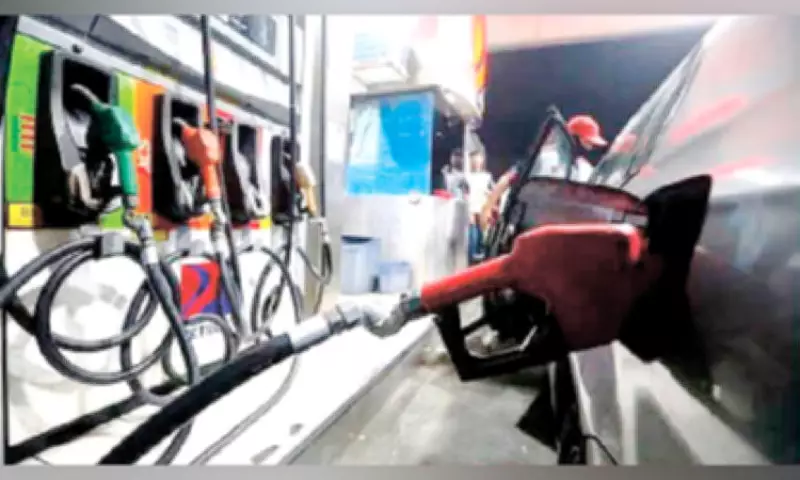
Economists Endorse Temporary Fuel Tax Suspension to Counter Rising Oil Prices
Economists are rallying behind the proposal for a temporary suspension of fuel taxes to mitigate the impact of escalating oil prices. This move aims to provide immediate relief to consumers and transport operators grappling with increased costs, though experts caution about potential repercussions on government revenues and fiscal health.
Immediate Relief Through Tax Reductions
In a recent interview during Sunstar Cebu's Beyond the Headlines program, economist Ronilo Balbieran emphasized that reducing or suspending excise tax and value-added tax (VAT) on fuel could offer crucial short-term support. He described the current situation as extraordinary, necessitating swift intervention to alleviate inflationary pressures and bolster economic activity.
President Ferdinand R. Marcos Jr. has enacted Republic Act No. 12316, which grants him emergency powers to suspend or reduce fuel excise taxes under specific conditions. The law triggers this action if Dubai crude oil prices reach or exceed $80 per barrel for at least one month. Any suspension or reduction is limited to a maximum of three months at a time, with a total cap of one year, and taxes revert to original rates once the average price falls below $80 per barrel or after three months, whichever occurs first.

Balancing Relief with Fiscal Risks
However, the proposal involves significant trade-offs. Suspending fuel taxes would lead to foregone government revenues, estimated by the Department of Finance at P210 billion if implemented for the remainder of the year. This could widen the fiscal deficit, increase borrowing needs, and potentially pressure interest rates and the country's credit profile.
Balbieran warned that while tax cuts provide relief, they also diminish the government's ability to fund essential programs and services. Prolonged reductions without clear timelines and targeted measures could undermine fiscal discipline, posing long-term risks to economic stability.
Targeted Support and Regional Comparisons
To mitigate these risks, analysts advocate for a time-bound and targeted approach, combining temporary tax relief with direct assistance to the most affected sectors. Transport groups, including jeepney drivers, bus operators, and trucking firms, are expected to benefit significantly from lower fuel costs, alongside low-income households facing higher prices for basic goods.
Additional measures such as cash transfers and fuel subsidies may be necessary to ensure immediate relief reaches vulnerable groups, especially since tax adjustments might take time to reflect in pump prices. Balbieran noted that other Southeast Asian economies, including Vietnam, Indonesia, and Thailand, have already implemented similar strategies, such as tax reductions, subsidies, and price controls, to shield consumers and businesses from fuel cost impacts.
Long-Term Solutions and Policy Dilemmas
While tax cuts can serve as a short-term fix, Balbieran stressed that they are not a sustainable long-term solution. The broader challenge involves reducing the economy's vulnerability to fuel price shocks through structural reforms. These include improving public transport systems, diversifying energy sources, and enhancing logistics efficiency to create a more resilient economic framework.
As policymakers deliberate, the debate highlights a recurring dilemma: providing urgent relief without compromising fiscal sustainability. Balbieran concluded that the decision hinges on striking a balance between immediate support and preserving long-term fiscal stability, ensuring that temporary measures do not lead to enduring economic weaknesses.