
Philippine Government Unveils Comprehensive Strategy to Manage Inflation and Oil Price Volatility
The Department of Economy, Planning, and Development (DEPDev) has declared that the Philippine government will implement necessary steps to keep inflation manageable and address the volatility of oil prices, amid the ongoing conflict in the Middle East. This announcement comes as the Philippine Statistics Authority (PSA) reported today that the country's headline inflation in February increased to 2.4 percent, up from 2.0 percent in January.
Inflation Trends and Key Drivers
This rise brings the year-to-date average inflation to 2.2 percent, which remains within the government's target range of 2 to 4 percent for 2026 and 2027. The February inflation was primarily driven by faster increases in food inflation, which rose to 1.6 percent from 0.7 percent, and non-food items, which climbed to 2.8 percent from 2.5 percent.
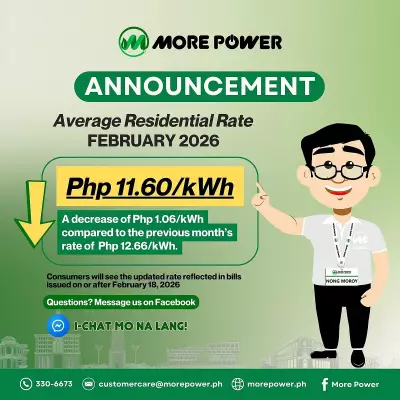
Food inflation was notably influenced by faster price increases in fish, up to 7.7 percent from 7.3 percent, due to shellfish and crustacean bans triggered by red tide alerts. Meanwhile, non-food inflation accelerated, driven by higher costs in housing rentals, which increased to 3.0 percent from 2.8 percent, and electricity, which rose to 6.6 percent from 6.5 percent.
Government Response and Mitigating Measures
DEPDev Secretary Arsenio M. Balisacan stated, "Overall price conditions remain stable. However, we are mindful of recent geopolitical developments, which we are closely monitoring, along with domestic supply conditions of key commodities." In response, the government will deploy mitigating measures to address upside inflation pressures arising from the Middle East conflict.
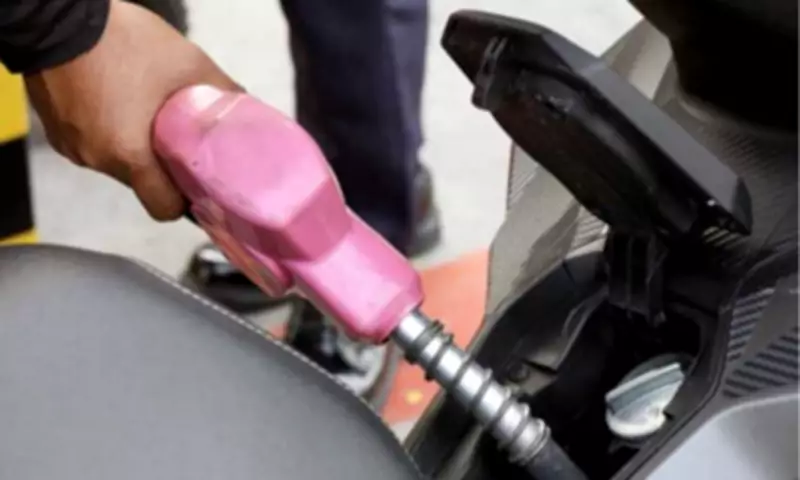
These measures include the possible lifting of excise taxes on petroleum products if global oil prices breach $80 per barrel. Additionally, the government will implement strategies to reduce fuel consumption, starting with government offices, and encourage the private sector to follow suit. Key initiatives involve:
- Use of shuttle buses and promotion of car-pooling
- Implementation of flexible work arrangements, such as work-from-home and compressed workweeks
Long-Term Strategies for Energy Independence
To reduce long-term dependence on imported oil, the government will pursue several strategies:
- Incentivizing renewable energy and alternative fuels
- Promoting active transport options
- Strengthening energy conservation programs
Balisacan emphasized, "We are ready to deploy timely and targeted interventions should external shocks intensify. Our priority is to protect vulnerable households, support affected industries, and sustain the country's growth momentum amid global uncertainties." This proactive approach aims to safeguard the Philippine economy from potential disruptions while fostering sustainable development.