
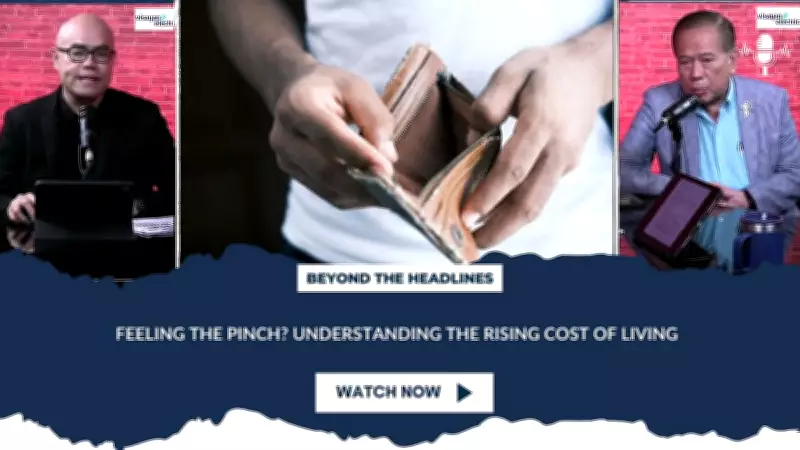
Prices keep rising—but what’s really causing it, and how does it affect ordinary Filipinos? In a special episode of Beyond the Headlines, we delve into the pressing economic challenges facing the nation. Join us LIVE as we talk about inflation, economic slowdown, and the impact of global conflicts on daily life with Philip Tan, President & CEO of WM Global Holdings, Inc.
Understanding Inflation in the Philippines
Inflation has become a household concern, with the cost of basic goods and services climbing steadily. Factors such as supply chain disruptions, rising fuel prices, and geopolitical tensions have contributed to this trend. The ongoing conflict in Ukraine and instability in the Middle East have further exacerbated global commodity prices, affecting everything from food to transportation.
How Global Conflicts Affect Local Markets
Global conflicts ripple through the Philippine economy, increasing import costs and putting pressure on the peso. This translates to higher prices for consumers, particularly for fuel and imported goods. The agricultural sector also feels the strain, as fertilizer and feed prices rise, pushing up food costs.

Economic Slowdown and Its Effects
The Philippines, like many countries, is experiencing an economic slowdown. Growth projections have been revised downward, and businesses face uncertainty. For ordinary Filipinos, this means fewer job opportunities, stagnant wages, and a higher cost of living. Families are forced to tighten their budgets, often cutting back on essentials.
Expert Insights from Philip Tan
Philip Tan, a seasoned economist and business leader, shares his analysis on the current economic landscape. He highlights the need for policy interventions to cushion the impact on vulnerable populations. Tan emphasizes the importance of diversifying trade partners and investing in local production to reduce dependence on imports.
What Can Filipinos Do?
While macroeconomic factors are beyond individual control, Tan suggests practical steps: budgeting wisely, seeking alternative sources of income, and staying informed about economic trends. He also calls for government action to address supply chain inefficiencies and provide targeted subsidies.
Join the Conversation
We invite you to drop your questions and join the conversation live. Share your experiences and thoughts on how rising costs are affecting your daily life. Together, we can better understand these challenges and explore solutions.