Families and shop owners across Cebu are preparing for a significant economic ripple effect as escalating tensions in the Middle East threaten to drive global oil prices toward the critical threshold of $100 per barrel. While current fuel supplies remain sufficient, experts caution that the increased costs of transporting goods—and consequently the prices of the goods themselves—are poised to surge, affecting daily life and business operations throughout the region.
No Shortage, But Higher Costs Loom
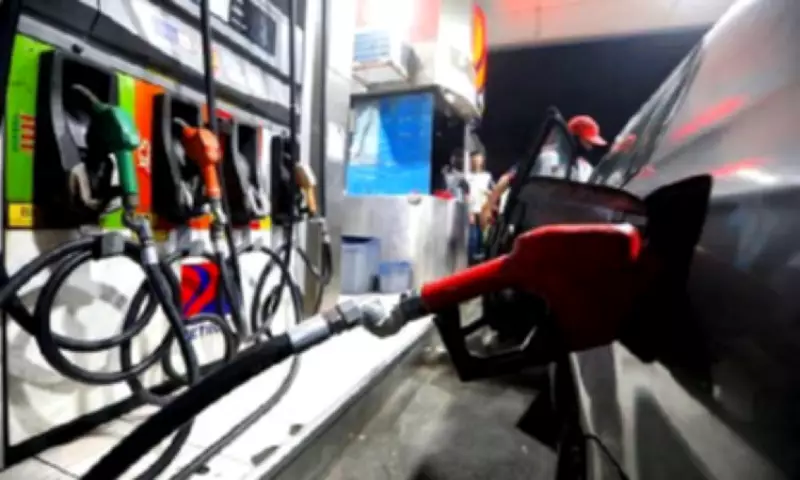
The Philippines is not facing an immediate fuel shortage, according to President Ferdinand Marcos Jr., who reassured the public on Tuesday, March 3, 2026, that the country maintains a robust 50 to 60-day supply of gasoline and kerosene. This stockpile provides a buffer against potential disruptions, ensuring that basic energy needs are met in the short term.
However, even with full storage tanks, the financial burden of refilling them is on the rise. Erik Lim, president of Top Line Business Development Corp., highlighted that the Middle East serves as a major global oil hub, meaning any conflict in the region creates nervousness among international traders. This anxiety inevitably drives up oil prices worldwide, regardless of local supply levels, setting the stage for increased expenses across various sectors.
The Ripple Effect on Cebuano Life
For residents of Cebu, the impact extends far beyond the gas pump; it permeates everyday essentials like groceries and utilities. Robert Go of the Philippine Retailers Association–Cebu Chapter warned that when oil prices experience a sharp increase, everything increases, creating a cascading effect on household budgets and business profitability.
How This Affects You Directly
- Transportation: Operating delivery trucks and ships becomes more expensive, leading to higher freight charges that are often passed on to consumers.
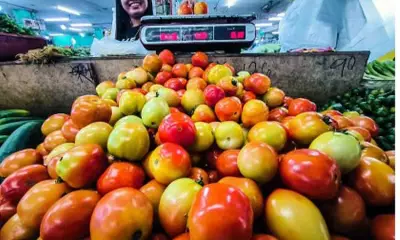
- Groceries: Elevated shipping costs translate into increased prices for staple items such as rice, canned goods, and meat, squeezing family finances.
- Electricity: Many power plants depend on fuel, so higher oil prices could result in steeper monthly electricity bills, adding to the financial strain.
In response to these impending hikes, some local stores are adopting cost-saving measures, such as reducing the frequency of delivery trips and maximizing truck capacity to mitigate expenses. These strategies aim to cushion the blow for both businesses and customers, though their effectiveness may be limited if oil prices continue to climb.
Government Assistance Measures
President Marcos has indicated that the government is exploring various initiatives to alleviate the impact if oil prices remain elevated. These proposed plans include:
- Fuel Subsidies: Providing cash assistance to drivers and farmers to help offset rising fuel costs.
- Free Bus Rides: Offering complimentary public transportation to assist workers in commuting without additional fare expenses.
- Tax Cuts: Implementing a temporary reduction in fuel taxes to keep pump prices more affordable for consumers.
These measures are designed to provide immediate relief and support economic stability, though their implementation and effectiveness will depend on the duration and severity of the oil price surge.
Looking Ahead
While some international oil groups, including OPEC+, have announced plans to increase production starting in April 2026, the overall situation remains highly unpredictable. Geopolitical tensions in the Middle East could swiftly alter market dynamics, making long-term forecasts challenging.
For now, Cebuano businesses and residents are closely monitoring global news, aware that a conflict thousands of miles away can have tangible consequences locally. Every time a shopper receives a receipt reflecting higher prices, the distant turmoil becomes a palpable reality, underscoring the interconnected nature of the global economy and its direct impact on community life in Cebu.