Rising costs have significantly reshaped Valentine's Day spending patterns this year, according to separate reports. In Cebu City, higher flower prices boosted earnings for local vendors, while in Japan, surging cocoa prices and broader inflation prompted many women to scale back on chocolate gifts, highlighting a global trend of economic pressures influencing holiday traditions.
Cebu Flower Vendors Benefit from Price Increases
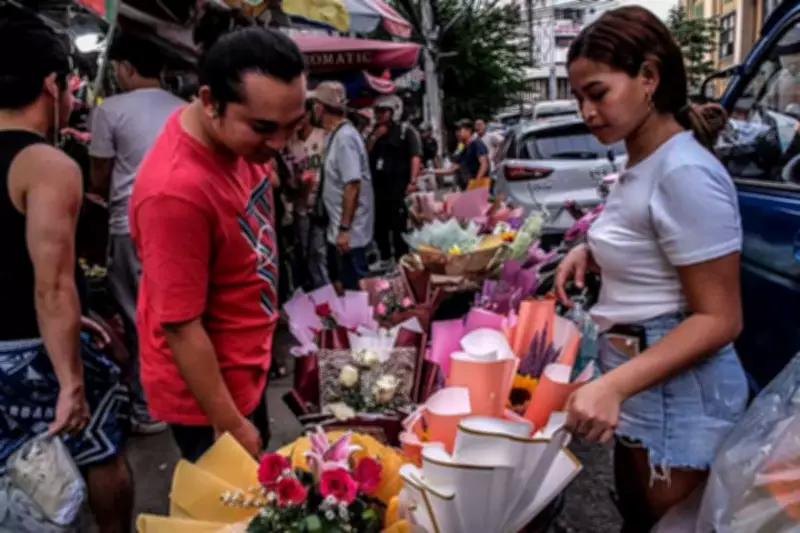
As February 14 approached, prices for blooms climbed at several stalls inside Carbon Public Market in Cebu City. This increase was driven by strong demand, higher supplier costs, and limited availability of certain flower varieties. Popular options such as roses, chrysanthemums, tulips, sunflowers, and daisies were sold at elevated rates compared to regular days.
Roses were priced between 150 and 1,000 Philippine pesos, depending on quantity and quality, while chrysanthemums ranged from 180 to 650 pesos. Tulips fetched about 600 to 800 pesos. Single flower items, including artificial flowers, cost around 100 to 150 pesos, and bouquets were typically priced from 350 to 800 pesos.

Vendors Report Higher Earnings Despite Hikes
Despite these price increases, vendors described Valentine's Day as one of their peak seasons, often generating higher income. Many sellers reported earning more this year than in 2025, though some noted it was still too early to determine final sales figures until after the day's rush. They added that such price hikes are common during high-demand occasions, including Valentine's Day, Holy Week, All Souls' Day, and local fiestas.
Japan's Chocolate Buying Slows Due to Inflation
In contrast, higher raw material costs weighed on chocolate purchases in Japan. A survey by market research firm Intage Inc. found that 67.5 percent of women buying chocolates for Valentine's Day were affected by rising cocoa bean prices and broader consumer inflation.
The mid-January survey, conducted among approximately 2,500 female respondents aged 15 to 79 across Japan, showed that 42.8 percent had no plans to give chocolates, up four percentage points from a year earlier. The average Valentine's Day budget, mainly for family members and self-purchases, rose to 4,943 yen, an increase of 369 yen from last year.
Consumer Adjustments in Response to Price Surges
Of those citing a higher budget, 63.6 percent pointed to increased chocolate prices, while 39.8 percent attributed it to general price hikes and the weaker yen. Among roughly 1,450 women who said they would buy chocolates, 33.7 percent opted for lower-priced items due to price increases. Another 24.6 percent planned to reduce the number of items purchased, while 18.9 percent intended to shop at stores offering cheaper options.
Smaller shares said they would switch to other sweets, cut back on self-purchases, stop giving chocolates altogether, or make homemade alternatives. An Intage official noted that inflation and rising cocoa prices had already influenced consumer behavior last year, but this year's survey showed an even stronger impact of chocolate price surges on buying decisions.