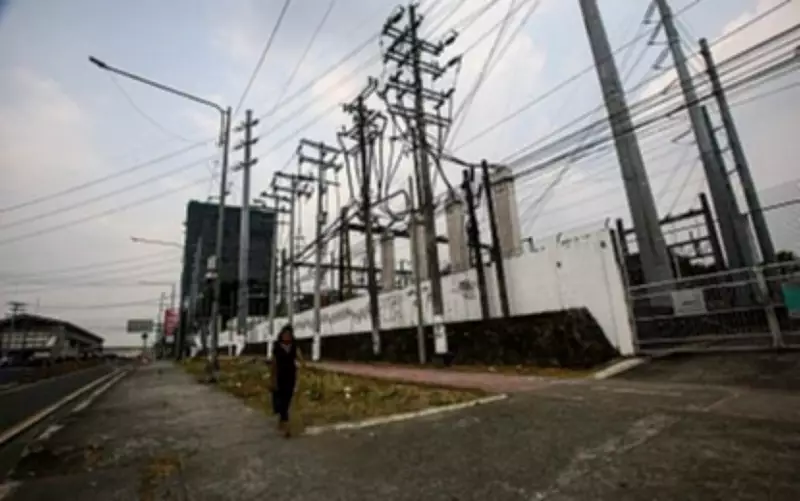
The Luzon and Visayas power grids have returned to normal operations after red and yellow alerts were lifted, the National Grid Corp. of the Philippines (NGCP) announced on Saturday.
Improved Power Situation
In an advisory, the NGCP said the Luzon grid was operating under normal conditions based on its 6 a.m. data, with available capacity at 15,799 megawatts (MW) against demand of 12,107 MW. The Visayas grid posted available capacity of 2,768 MW and demand of 2,339 MW.
The improved power situation was attributed to the declaration of full capacity by several power plants, including Unit 1 of GNPower Dinginin Ltd. Co. (668 MW), Excellent Energy Resources, Inc. (EERI) Unit 2 (422 MW), and EERI Unit 33 (420 MW). These additions increased Luzon’s available capacity by 1,510 MW.

Surplus Capacity Enables Power Exports
The transmission operator noted that the additional supply, combined with typically lower weekend demand, created surplus capacity, which enabled power exports from the Luzon grid to the Visayas grid.
The Department of Energy (DOE) also confirmed that both Luzon and Visayas were operating normally as of 10:30 a.m. Saturday.
Alerts Lifted Late Friday
Red and yellow alerts over the Luzon and Visayas grids were lifted late Friday night after reserves improved. A yellow alert indicates that operating reserves have fallen below the required contingency level, making the grid vulnerable to possible outages. A red alert is raised when power supply is insufficient to meet consumer demand, prompting rotational power interruptions to maintain grid stability.
Stable Weekend Expected
The NGCP said the power situation is expected to remain stable throughout the weekend. “Barring any unexpected increase in demand or additional unplanned outages of power facilities, the power situation for this weekend is expected to remain stable,” it stated.
The DOE said it is coordinating with the Independent Electricity Market Operator of the Philippines, NGCP, Energy Regulatory Commission, generation companies, and industry stakeholders to ensure grid stability and protect consumers.
“The DOE continues to closely monitor both grids and provide the public with information as the situation develops,” it added.