

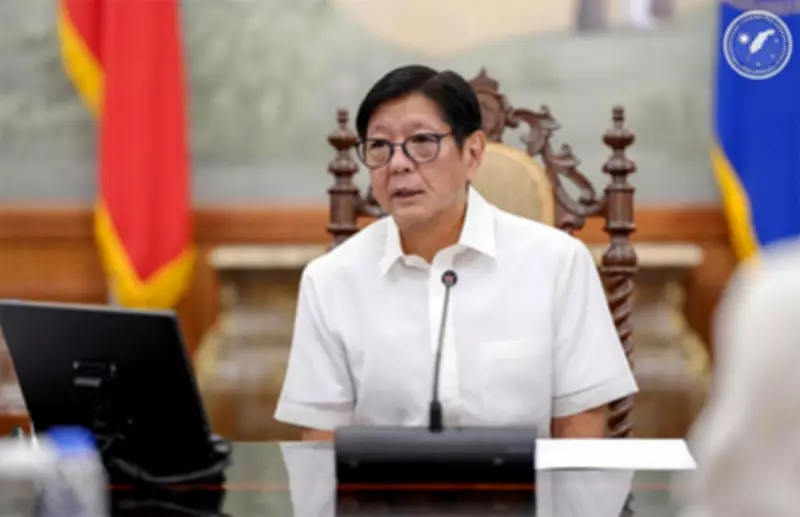
In a press conference held on Tuesday, March 3, 2026, President Ferdinand Marcos Jr. provided reassurances regarding the Philippines' oil supply stability amidst the escalating Middle East conflict. He emphasized that the nation maintains an estimated reserve of 50 to 60 days for essential fuels, including gasoline, fuel oil, and kerosene.
Government's Assurance on Fuel Availability
President Marcos stated, "Let me assure everyone that we have sufficient supply of oil." He further elaborated, "So let me immediately allay the fears of everyone that the supply of oil products, oil-derived products, even fertilizers, something we have to look at, we have sufficient supply." This declaration aims to calm public concerns over potential shortages as global tensions persist.
Potential Price Increases and Economic Measures
Despite the adequate reserves, Marcos acknowledged that the ongoing Middle East turmoil could significantly impact oil prices in the Philippines. He explained, "'Yung ating mga pinagkukuhanan ng iba't-ibang oil products meron din silang stockpile, that is another potential supply for us. However, we must be very clear that if you are a country that is holding a stockpile of all oil products, you will export as little of it as possible so that you keep your own stockpile high while this crisis is going on while we do not know what is going to happen."

To cushion the economic blow, the government is exploring targeted fuel subsidies for affected sectors, particularly transportation and agriculture, should oil prices exceed $80 per barrel. Additional measures under consideration include implementing free bus rides to alleviate commuting costs for workers and proposing congressional authorization for the President to reduce excise taxes if necessary.
Collaboration with Oil Companies and Call for Peace
The Department of Energy has engaged with oil companies to ensure any price increases are implemented gradually on a staggered basis. President Marcos expressed hope for a ceasefire and urged all parties involved in the conflict to exercise patience to resolve the situation peacefully.
Overseas Filipino Workers' Situation
On a related note, Marcos revealed that nearly 1,500 overseas Filipino workers (OFWs) from Iran, Israel, Bahrain, Dubai, and Abu Dhabi have expressed a desire to return to the Philippines. However, repatriation is currently impossible due to halted flights and attacked airports.
For now, Filipinos in affected countries are advised to stay indoors and follow local authorities' instructions. Marcos assured that Philippine officials are continuously monitoring the situation to ensure the safety and well-being of OFWs abroad.