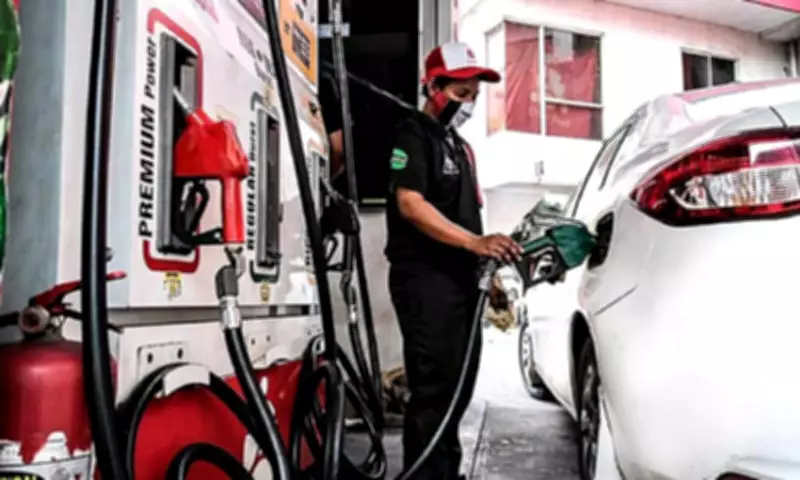
The Philippines' fuel supply and petroleum reserves are currently stable and sufficient, even as tensions escalate in the Middle East, according to a recent statement from the Department of Energy (DOE). The agency emphasized that there have been no disruptions to fuel deliveries across the nation, including in the Mindanao region.
DOE Reassures Public on Fuel Stability
In a statement issued on March 2, 2026, the DOE provided assurance to Filipino households, motorists, and businesses that the country's fuel inventories continue to meet normal demand for transportation, household consumption, and business operations. "The Department of Energy assures Filipino households, motorists, and businesses that the country's fuel supply remains sufficient and stable amid ongoing developments in the Middle East," the statement declared.
No Direct Impact from Iran Conflict
Energy officials clarified that the Philippines does not directly import crude oil from Iran, which significantly limits the risk of any immediate supply interruption. Consequently, there is no direct impact on Mindanao or other regions stemming from the conflict. Oil companies operating within the country have also committed to maintaining adequate stock levels and ensuring uninterrupted distribution throughout their retail and commercial networks.

Proactive Measures and Coordination
During a meeting with industry stakeholders, oil firms assured the government they are taking proactive steps to temper potential market volatility and guarantee a steady supply. The DOE highlighted that coordination efforts are ongoing to prevent artificial shortages and align any domestic price adjustments strictly with movements in the international market.
Additionally, the agency is working closely with the Department of Transportation to prepare for the possible rollout of the Fuel Rate Subsidy Program should global price pressures intensify. This subsidy aims to cushion public utility vehicle drivers and other affected transport sectors from sharp price swings.
Diversified Supply Sources and Monitoring
While the Philippines is a net importer of petroleum products, its crude oil and refined fuel imports are highly diversified. Based on DOE data from recent years, the country sources much of its crude and finished petroleum products from regional suppliers, including Saudi Arabia, the United Arab Emirates, Kuwait, Qatar, South Korea, China, and Singapore. This diversified sourcing strategy reduces exposure to disruptions from any single country.
The DOE maintains close coordination with Middle Eastern partners through government-to-government energy dialogues and commercial supply contracts facilitated by international trading firms. Saudi Arabia remains one of the Philippines' longstanding crude suppliers, while the UAE and Kuwait continue to play key roles in regional energy trade networks that supply Asian markets.
Furthermore, the Philippines is a member of regional energy cooperation platforms such as the ASEAN energy framework, which supports coordination on oil supply security and emergency response mechanisms. According to the DOE, the country maintains mandated minimum inventory requirements equivalent to at least 30 days' worth of supply for refiners and importers, alongside additional commercial stockpiles held by industry players. These buffer stocks are designed to cushion short-term global disruptions and prevent panic buying.
Global Market Interconnections
Although there is no direct sourcing from Iran, the DOE acknowledged that global oil markets remain highly interconnected. Any disruption affecting major shipping routes such as the Strait of Hormuz or broader supply chains can influence benchmark crude prices, which in turn affect domestic pump prices.
The department stated it continues to closely monitor geopolitical developments and their potential logistical implications, particularly those that may affect freight costs, insurance premiums, or international trading flows. For now, officials stressed that supply conditions remain normal, and there is no need for panic buying.
The DOE reiterated its commitment to safeguarding national energy security and minimizing the impact of global developments on Filipino consumers, while urging the public to use fuel responsibly and purchase according to actual need.