Philippines Unveils Six-Year Farm Tourism Roadmap to Drive Rural Growth
The National Government has officially launched a comprehensive six-year roadmap designed to elevate farm tourism into a pivotal growth engine for rural economies across the Philippines. This initiative directly links tourism demand with agricultural production and enterprise development, aiming to stimulate investments, create employment, and diversify economic activities beyond traditional farming.
Strategic Launch and Key Objectives
On Monday, February 16, 2026, the Department of Tourism (DOT), Department of Agriculture (DA), and Department of Trade and Industry (DTI), in collaboration with private sector members of the Farm Tourism Development Board, introduced the Farm Tourism Strategic Action Plan (FTSAP) 2026–2031. This plan seeks to position the Philippines as a premier destination for farm and gastronomy tourism in Asia while establishing stable income streams for Filipino farmers.
Tourism Secretary Christina Garcia Frasco and Agriculture Secretary Francisco Tiu Laurel Jr. spearheaded the launch, describing the FTSAP as an operational expansion of the country's farm tourism framework under Republic Act 10816, also known as the Farm Tourism Development Act of 2016. The roadmap transitions farm tourism from a policy framework to full-scale execution by enhancing accreditation systems, integrating farm sites into structured tourism circuits, and aligning infrastructure, enterprise development, and market access.

Enhanced Coordination and Economic Impact
A key focus of the plan is ensuring that tourism demand translates into sustained income, employment, and long-term livelihood opportunities in rural communities. To support this, the DOT and DA signed a memorandum of agreement on farm, food, and gastronomy tourism, institutionalizing coordination across production, supply chains, and tourism establishments. This partnership aims to create stable institutional demand for local produce by encouraging hotels and restaurants to source directly from Filipino farmers and rural enterprises.
Officials highlighted the sector's significant growth potential, citing global projections that agritourism could expand from US$69 billion in 2019 to approximately $197 billion by 2032. By integrating agriculture into higher-value tourism experiences, the government anticipates stimulating rural investments, generating employment, and expanding economic activity beyond primary production.
Infrastructure and Implementation
The convergence of efforts also supports coordinated infrastructure development, including farm-to-market roads aligned with tourism circuits, to improve market access and logistics efficiency. Implementation will be overseen by a joint technical working group composed of representatives from the DOT, DA, DTI, and private stakeholders to ensure sustained execution of programs nationwide.
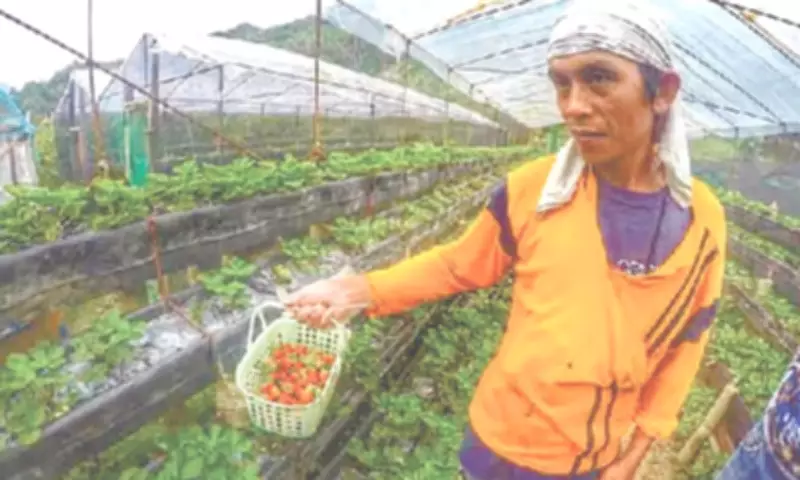
As of February 2026, the DOT has accredited 138 farm tourism sites across the country, reflecting the sector's growing role in diversifying tourism products and strengthening countryside economies. Officials emphasized that the FTSAP aligns the Philippines with the global shift toward value-driven and sustainable tourism, positioning rural communities to capture higher tourism spending while embedding agriculture more deeply into the broader service economy.