Cebu's Carbon Market Modernization Ignites Heated Debate Over Privatization
The ongoing transformation of Cebu's iconic Carbon Public Market has sparked an intense and heated debate between local market sellers and private developers, creating significant tension in the city's commercial landscape. While developers dismiss vendor concerns as "misinformation," the vendors themselves argue that the move toward private control directly threatens the livelihoods of Cebu's smallest entrepreneurs and marginalized business owners.
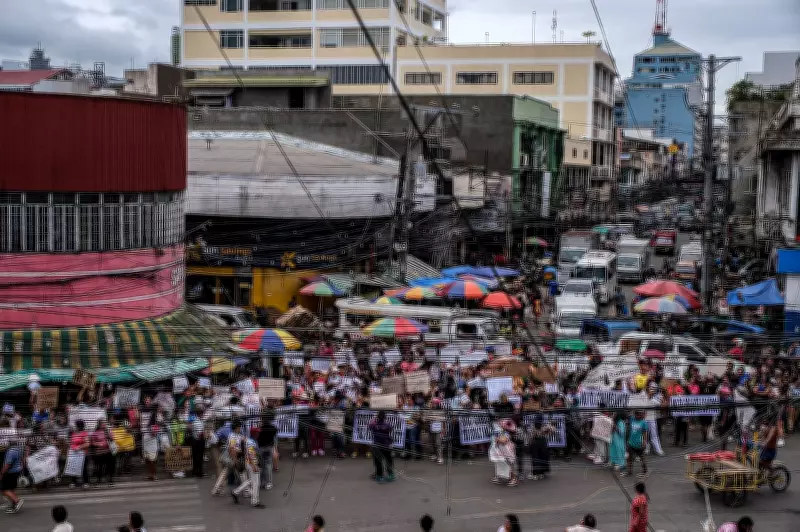
Silent Protest Highlights Growing Tensions
On Thursday, February 5, 2026, several vendor groups staged a silent protest at the market location, demonstrating their growing unease with the development plans. This peaceful demonstration followed the recent announcement that Cebu2World Development Inc. (C2W), a subsidiary of Megawide Construction Corp., plans to begin collecting market rental fees starting Sunday, February 15, 2026.
Modernization Versus Privatization: The Core Conflict
Erwin Goc-ong, president of the Cebu Market Vendors Multi-purpose Cooperative, clarifies that the central issue isn't about the new buildings or physical improvements, but rather about who ultimately controls and manages the market operations. He argues that while the City Government technically still owns the land, the private company now controls crucial aspects including security, operational rules, and fee collection systems.

"The moment public service or public functions are handed to a private entity, that is already privatization," Goc-ong stated emphatically during discussions about the market's future direction.
He specifically pointed to the 2021 Joint Venture Agreement (JVA), noting that the City Government could potentially face financial penalties or be forced to compensate the developer if it fails to raise market rates according to the company's recommendations and projections.
The Critical Debate Over Daily Operational Costs
A major point of contention and worry for vendors revolves around how much it will actually cost to sell goods in the newly developed market facility. C2W president Manuel Louie Ferrer claims the modernization will actually save vendors money, estimating a daily fee of approximately P240 under the new system compared to what they claim is a current practice of P490 per day.
However, Goc-ong strongly disputes these estimates, calling them unrealistic and misleading. He explained that most small-scale "ambulant" vendors currently pay significantly less:
- P20 for daily tickets (arkabala)
- P30 for bamboo benches (lantay)
- Additional small fees for barangay permits and basic requirements
With many vendors earning only P200 to P600 daily from their market activities, Goc-ong emphasizes they simply cannot afford the permits, stainless steel tables, and various "world-class" requirements mandated by the new facility's standards.
Looking Beyond 2028: Long-Term Concerns Emerge
Ferrer has attempted to ease vendor fears by promising that rental rates will remain based on the 2017 Market Code until 2028. He emphasized that the company cannot raise rates without formal approval from the City Council and has accused opposition groups of spreading misinformation about the development plans.
Despite this temporary assurance of a P8.50 per square meter daily fee for the next two years, vendors remain deeply concerned about the long-term implications. They fear that once the temporary rate freeze ends in 2028, prices will skyrocket under the provisions of the 2023 amended City Market Code, which lists potential fees as high as P21 per square meter for prime market spaces.
Seeking a Sustainable "Win-Win" Solution
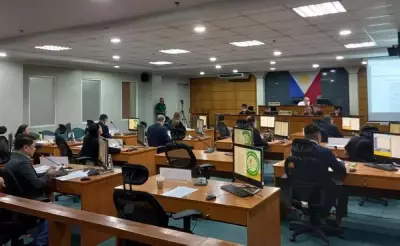
The vendors' group is now urgently calling upon Mayor Nestor Archival and the City Council to intervene in the situation. Goc-ong has proposed what he believes could be a reasonable compromise: allow C2W to handle the physical construction and development aspects, but keep the City Government in full charge of daily operations and management.

By maintaining management in public hands, vendors believe the market can achieve necessary modernization without losing its essential character and accessibility. This approach, they argue, would ensure that Carbon Market remains a place where marginalized entrepreneurs and small business owners can still afford to make a living, preserving the market's soul while embracing necessary improvements.