Cebu BRT Project Navigates Heritage Concerns and Funding Challenges
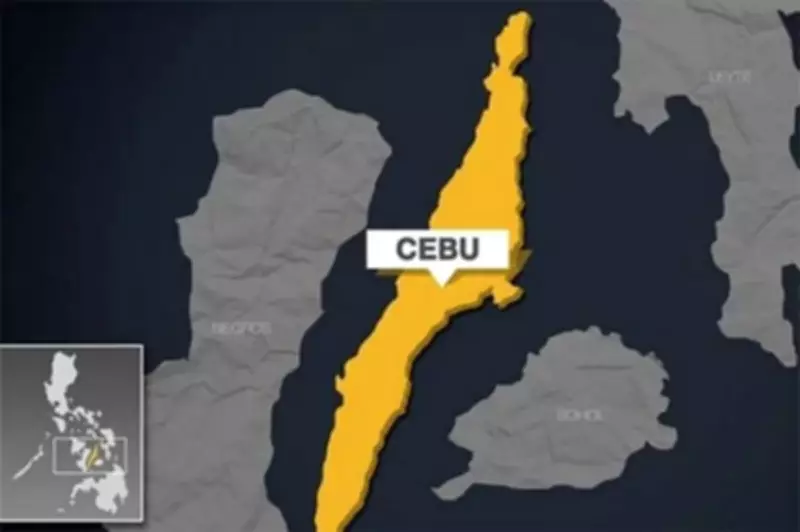
The National Historical Commission of the Philippines (NHCP) has formally requested the Cebu Provincial Government to submit its official stance on the proposed location for the Capitol Station of the Cebu Bus Rapid Transit (BRT) project along Osmeña Boulevard in Cebu City. This development has prompted the Provincial Government to organize a dedicated team to thoroughly evaluate the project's potential impact on the Capitol heritage zone, highlighting the delicate balance between modernization and historical preservation.
World Bank Expresses Serious Concerns and Reduces Support
As the project progresses, the World Bank has raised significant alarms, scaling back its financial backing due to implementation issues. The bank assigned the Cebu BRT project an "unsatisfactory" rating, pointing to slow progress, unmet targets, and high risks as the project nears its scheduled completion date in late 2026. Consequently, funding for later phases, specifically Packages 2 and 3, has been withdrawn, though some reports indicate that initial portions may still receive support. This withdrawal has compelled local leaders to actively explore alternative funding sources or new financing arrangements to keep the project viable.
Protecting the Capitol's Historical Integrity
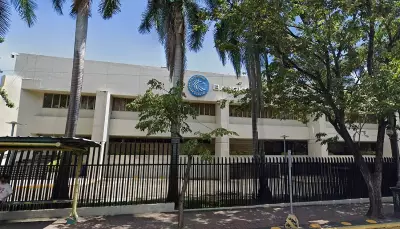
In a letter dated February 10, 2026, NHCP Chairman Regalado Trota Jose Jr. informed Governor Pamela Baricuatro that the commission is reviewing an appeal from the Department of Transportation (DOTr) to maintain the station in the center lane. The Capitol building, a declared National Historical Landmark, is at the heart of this debate. The DOTr has proposed design modifications, including reducing the station's height from 4.7 meters to three meters, arguing that this adjustment enhances efficiency. However, the agency has cautioned that altering the layout could jeopardize existing funding, adding another layer of complexity to the decision-making process.

Urgent Need for a Comprehensive Conservation Plan
Assistant Provincial Administrator Aldwin Empaces emphasized the necessity of developing a conservation management plan for the heritage zone before any definitive decisions are made. This plan would establish clear guidelines for permissible constructions in the area, ensuring that development aligns with heritage protection goals. Empaces clarified that while local ordinances from Cebu City designate the Capitol and surrounding areas as heritage sites, a specific policy framework is still required to direct future developments. He stated, "It's not about allowing, it's about what's your plan," underscoring the importance of strategic planning over mere permission.
Collaborative Discussions Among Local Leaders
Governor Baricuatro has engaged in discussions with Cebu City Mayor Nestor Archival to address the impasse. They have agreed to convene joint meetings involving both the Provincial Board and the Cebu City Council to seek a mutually acceptable solution. Baricuatro explained, "We agreed that we should all meet together with the City Council and our Provincial Board to discuss this matter, because while the City passed an ordinance declaring the area as a heritage site, the Provincial Board also has an ordinance stating that they will not allow the project in that area for heritage reasons." This collaborative approach aims to reconcile conflicting local regulations and foster consensus.
Determining the Path Forward
The NHCP has indicated that the Provincial Government's response will serve as the foundation for its final decision. This critical choice will ultimately shape how Cebu manages the intersection of modern transportation needs with the imperative to safeguard its most significant historical landmarks. The outcome will have lasting implications for urban development, heritage conservation, and public infrastructure in the region.