
World Bank Expresses Dissatisfaction with Cebu BRT's Sluggish Progress
The World Bank has publicly criticized the "unsatisfactory" progress of the Cebu Bus Rapid Transit (CBRT) project, highlighting significant delays in its implementation. According to reports from SunStar Daily, the project has utilized only 29 percent of its loaned budget since its approval in 2014, raising serious concerns about its future viability.
National Government Cancels $84.9 Million in Unused Loans
In response to these persistent delays, the National Government has formally requested the cancellation of $84.9 million in unused loans allocated for the CBRT project. This decision marks a critical juncture after more than a decade of setbacks, effectively signaling that the prolonged waiting period has reached its conclusion.
The original budget for the CBRT stood at $141 million, yet most major components remain incomplete. To date, only a 2.38-kilometer busway and some urban improvements have been finished, while construction for the crucial "Packages 2 and 3" has yet to commence.

Political and Administrative Challenges Fuel Delays
Several factors have contributed to the project's stagnation, with political influences playing a prominent role. Changes in the city's administration have repeatedly led to alterations in the route design, creating a cycle of revisions and postponements.
To avoid incurring "commitment fees" or penalties for holding onto unused funds, the Department of Finance initiated the loan cancellation. The government acknowledged that it could not meet the project's official deadline of September 2026 due to these substantial obstacles.
Cebu City Mayor Explores Public-Private Partnership Options
With the withdrawal of national financial backing, the responsibility now falls squarely on Cebu City Mayor Nestor Archival. Despite the loss of $84.9 million, Mayor Archival remains optimistic, proposing a public-private partnership (PPP) model to attract private companies for funding and completion.
In a press statement, Archival admitted limited awareness of the funding cancellation details but affirmed, "If it gets canceled, then probably the lender saw that it cannot be implemented now. What we will do is find a way to bring back funding."
Vice Mayor Advocates for Original Route Design
Vice Mayor Tomas Osmeña, who originally championed the CBRT concept during his tenure as city mayor, insists on adhering to the initial route design. Inspired by Curitiba's integrated transport model in Brazil, the project was envisioned to run from Barangay Talamban in the north to Bulacao and Pardo in the south, serving as a mass transit backbone for commuters, particularly the urban poor.
Osmeña argues that subsequent realignments, such as shifting Phase 1 to connect SM Seaside City Cebu with Ayala Center Cebu, have undermined the project's original intent, reduced accessibility for target commuters, and eroded public trust.
Governance Test and Future Implications
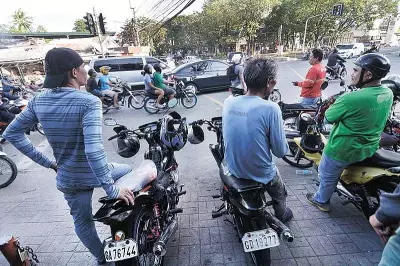
The CBRT project now faces a critical test of governance. Leaders must agree on a cohesive plan, commit to its execution, and deliver results to avoid transforming the project into another white elephant. Every delay has exacted a price on Cebu City, manifesting in increased traffic congestion, lost time, and daily commuter frustration.
Designed to make travel in Cebu City safer, faster, and cleaner, the CBRT's potential remains palpable. Unless decisive and urgent actions are taken, this mass transit solution risks becoming a missed opportunity for the city, slipping away due to indecision and bureaucratic hurdles.