

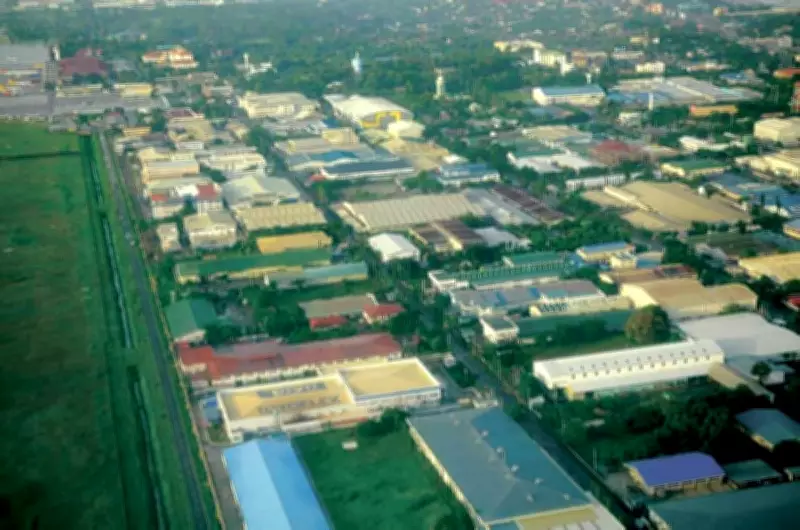
In a significant blow to local employment, over 100 workers at the Mactan Export Processing Zone (MEPZ) 1 have experienced a severe reduction in their work hours, resulting in halved incomes due to a sharp decline in export orders from international markets. Kim Francisco, the officer-in-charge at the City Public Employment Service Office (Peso) in Lapulapu, disclosed to SunStar Cebu that the company management has sought assistance from the City Social Welfare and Development Office (CSWDO) through Peso to support the affected employees.
Details of the Reduced Work Schedule
According to a letter dated February 5, the garment subcontractor factory implemented this measure starting January 20, with the reduced workweek set to continue until March 31, 2026. This temporary adjustment has impacted 105 employees, whose workdays have been slashed from six days per week to just three days per week. Francisco explained that the company is scaling back operations to sustain its business amidst dwindling orders from apparel firms in export zones.
Economic and Social Implications
The flexible work schedule was introduced to maintain operations while ensuring employees still have at least three days of work weekly. However, Francisco highlighted the dire consequences: "The implication here is, of course, lower salaries. This is insufficient because they should have income for the full six days a week, but it has been halved. It is not enough for their families and daily livelihoods." With incomes cut by half, many workers are struggling to meet basic household needs, prompting the need for external aid.

Government Response and Historical Context
Typically, the CSWDO provides assistance such as five kilograms of rice and other essential items to those in need. Francisco expressed hope that the reduced work schedule will not be extended further, depending on future order demands. This flexible work scheme at MEPZ is not unprecedented; similar measures have been adopted by other export-oriented companies during periods of weak global market demand.
During the Covid-19 pandemic in 2020, numerous companies in MEPZ and other economic zones across Central Visayas implemented reduced workweeks, temporary closures, or flexible arrangements due to canceled or delayed export orders. At that time, thousands of workers in the garments and electronics sectors were either placed on skeletal workforce or temporarily laid off, underscoring the vulnerability of such industries to external economic shocks.