
Cebu Sets Stage for Regional Sports Tourism Leadership with Upcoming Forum
The province of Cebu is strategically positioning itself as a premier regional sports tourism hub, capitalizing on its robust infrastructure, extensive accommodation capacity, and proven track record in hosting large-scale international events. This ambitious vision will take center stage at the upcoming Sports Tourism Forum scheduled for March 18, 2026, where industry stakeholders will explore innovative ways to integrate sporting events into meetings, incentives, conferences, and exhibitions (MICE) to significantly boost tourism growth and stimulate local economic activity.
Strategic Collaboration for Sports-Driven Tourism
The one-day forum represents a collaborative effort organized by the Sports Turismo Alliance in partnership with the Philippine Sports Commission and the Cebu Chamber of Commerce and Industry. This initiative comes at a pivotal moment when sports participation across Cebu province is experiencing remarkable expansion, evolving beyond traditional competitive events to become integrated into everyday lifestyle activities. This cultural shift is fundamentally reshaping tourism strategies and creating new patterns in local consumer demand that extend far beyond conventional tourism models.
Leading the panel discussions will be Patrick Gregorio, chairman of the Philippine Sports Commission and head of the National Sports Tourism–Inter-Agency Committee. This inter-agency body was established under Administrative Order 8 signed by President Ferdinand Marcos Jr., with the specific mandate of strengthening the country's capacity to stage and host major sporting events as a strategic approach to increasing tourist arrivals and generating substantial related economic activity throughout host communities.

Comprehensive Industry Participation
The forum will bring together senior officials from multiple sectors under the theme Incorporating Sports in MICE, featuring speakers from prominent hotel groups, experienced event organizers, leading sports brands, major convention centers, and tourism authorities. Local government leaders, including Governor Pamela Baricuatro and mayors from Lapu-Lapu, Cebu City, and Mandaue, have been invited to share their perspectives on how Cebu can leverage its existing advantages to establish itself as a dominant regional sports tourism destination.
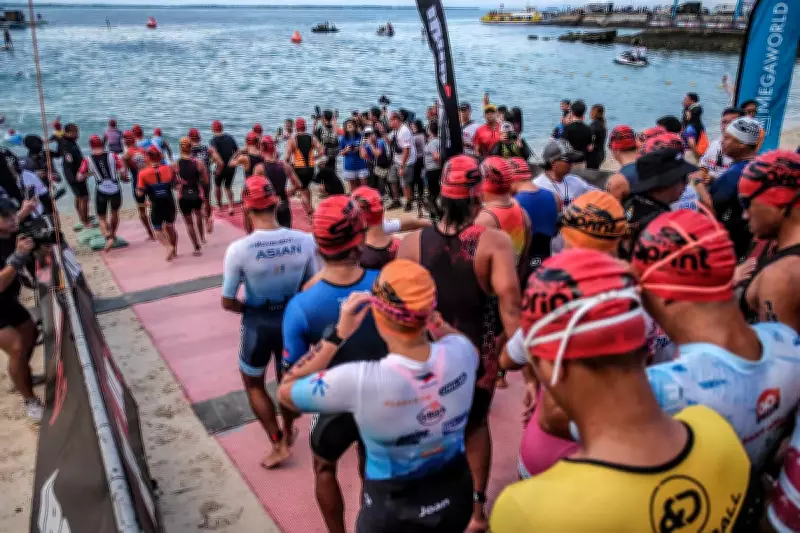
These discussions will focus on maximizing Cebu's infrastructure development, accommodation capabilities, and extensive experience in hosting successful large-scale events. The forum reflects broader shifts already visible throughout the province, where recreational sports and outdoor activities have seen steady growth across diverse disciplines including running, cycling, hiking, diving, and various water sports.
Cultural Transformation and Economic Impact
Industry stakeholders attribute this expanding sports culture to multiple factors including growing health awareness among residents, a young and increasingly urbanizing population, improving sports facilities across the province, and Cebu's diverse natural terrain that supports both land-based and sea-based activities. This cultural transformation has begun to influence business decisions well beyond the tourism sector, creating ripple effects throughout the local economy.
Global sporting goods retailer Decathlon Philippines has identified Cebu as a priority growth market outside Metro Manila, citing consistently strong demand in the Visayas region for running, cycling, fitness, swimming, and outdoor equipment. "Cebu has one of the most vibrant and diverse sports communities in the country," emphasized Mathilde Mullet, the brand's store leader in Cebu. "You see this demonstrated in the increasing number of running events, active bike clubs, enthusiastic outdoor groups, and even casual weekend sports participation. This makes the province a natural priority for our expansion and engagement strategies."

Tourism Reinforcement and Market Expansion
Tourism has played a reinforcing role in this development cycle. As Cebu builds its reputation for exceptional outdoor experiences and endurance events—including trail runs, fun runs, and community cycling activities—both residents and visitors are spending more on sports and outdoor gear that can be utilized year-round. Corporate wellness programs, school-based sports initiatives, and community events have further widened the base of participants, creating a sustainable ecosystem for sports tourism development.
The forum will feature case studies from successful destinations including Clark Freeport Zone, Puerto Princesa, and Subic Bay Freeport Zone, highlighting how sports-led tourism can be strategically planned and sustained through coordinated investments in venues, logistics, and local ecosystems. These examples will provide valuable insights for Cebu's development roadmap.
Global Context and Economic Potential
According to United Nations Tourism data, sports tourism represents one of the fastest-growing segments of the global tourism industry, driven by travelers who engage in sports either as their primary travel purpose or as an integral part of their overall travel experience. The Sports Tourism Market Size, Share & Trends Analysis Report indicates that sports tourism currently accounts for approximately 10 percent of global tourism spending, with projections suggesting growth at a rate of 17.5 percent between 2023 and 2030 as it drives both intracontinental and intercontinental travel.
Sports tourists demonstrate distinct economic characteristics, typically spending more than traditional tourists, with over half exceeding $500 per trip. In the United States alone, spectator sports tourism generated approximately $20 billion in tax revenues during 2024, illustrating the substantial economic potential that Cebu aims to capture through its strategic focus on this dynamic sector.