
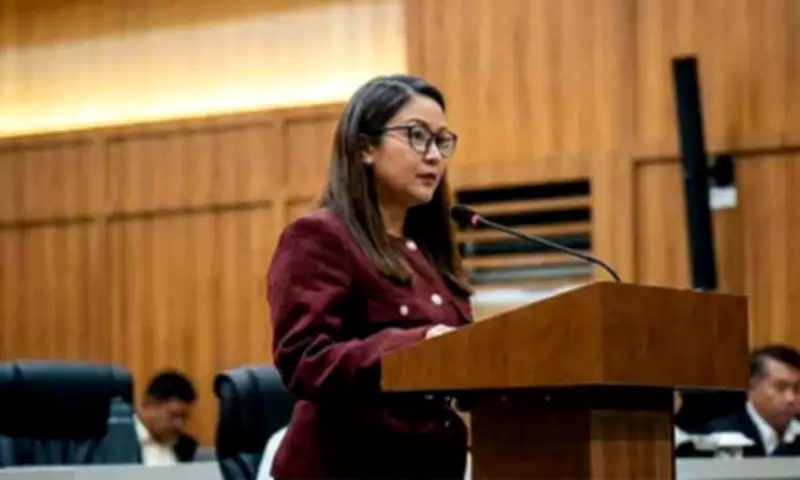
Davao City Councilor Advocates for School Feeding Program to Address Child Malnutrition
In a privilege speech delivered on March 10, 2026, at the Sangguniang Panlungsod, Davao City Councilor Antoinette G. Principe highlighted critical issues in education, health, and social justice, with a particular focus on the persistent problem of malnutrition among schoolchildren in the city. She called for stronger interventions to ensure no child is left behind due to hunger.
Urgent Call for Investment in Children's Future
Councilor Principe emphasized that addressing malnutrition is not merely an expense but a vital investment. "This is not an expense. This is an investment. An investment in a child who will stay in school because she no longer feels weak," she stated during her speech. She argued that hunger directly impacts learning, noting that no curriculum reform or classroom improvement can compensate for a child attending school hungry.
To tackle this issue, Principe sought legislative authority to establish a School-Based Feeding Program in partnership with the Department of Education-Davao City (DepEd-Davao City). The program aims to provide nutritional support to undernourished learners, thereby enhancing their educational outcomes and overall well-being.

Comprehensive Program Development Through Benchmarking
The proposed feeding program was developed through extensive consultations and benchmarking activities. Key visits included:
- Davao de Oro and Valenzuela City: To study the Central Kitchen system, which has successfully supported school feeding initiatives in these areas.
- Bangsamoro Autonomous Region in Muslim Mindanao (BARMM): To examine feeding models tailored for geographically isolated communities, ensuring the program's adaptability to diverse settings.
These activities informed the design of a multi-faceted approach to address malnutrition across different communities in Davao City.
Strategic Implementation Plan
The initiative proposes a structured implementation plan to maximize its impact:
- Central Kitchen at Sta. Ana Elementary School: To serve schools within the district, ensuring efficient food preparation and distribution.
- On-site Kitchens in Marilog and Paquibato: Specifically for Indigenous Peoples communities and other geographically isolated and disadvantaged areas, providing localized solutions.
- Universal Feeding in Pilot Schools: Selected based on high malnutrition rates to avoid stigmatizing undernourished learners and promote inclusivity.
Under this plan, DepEd will be responsible for food and logistics, while the City Government of Davao will fund the construction and refurbishment of kitchens, hiring of personnel, and establishment of operational standards.
Additional Program Components and Goals
The feeding program integrates several supportive elements to enhance its effectiveness:
- Strengthening Gulayan sa Paaralan: Promoting school gardens to supplement food sources and encourage sustainable practices.
- Targeting Kindergarten to Grade 6 Learners: Focusing on those who are wasted or severely wasted to address the most vulnerable groups.
- Sourcing from Local Producers: Prioritizing food procurement from local farmers, cooperatives, and women's organizations to support the local economy and ensure fresh, nutritious meals.
Councilor Principe highlighted that this initiative aligns with multiple Sustainable Development Goals (SDGs), including SDG 2 (Zero Hunger), SDG 3 (Good Health and Well-being), SDG 4 (Quality Education), SDG 5 (Gender Equality), and SDG 17 (Partnerships for the Goals). She described it as an investment in children's equity, resilience, and future, reiterating that no learner in Davao City should be left behind because of hunger.
Legislative Progress and Next Steps
The proposed Memorandum of Agreement between the City of Davao and DepEd Davao City for the School-Based Feeding Program has been moved to First Reading for legislative consideration. This step marks a crucial advancement in turning the proposal into actionable policy, with further discussions and approvals expected in the coming sessions.

Councilor Principe's advocacy underscores a commitment to holistic child development, blending health, education, and social justice to create a brighter future for Davao City's youth.