Lawmakers Intensely Question DepEd Over Proposed Three-Term School Calendar
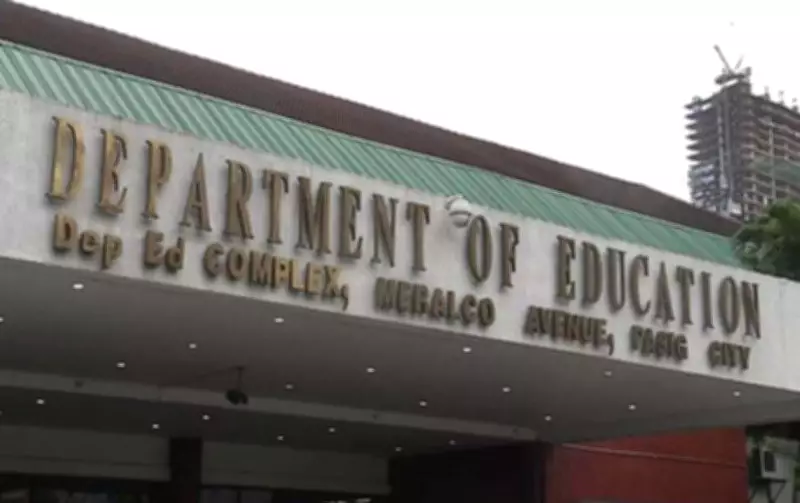
The Department of Education (DepEd) faced rigorous scrutiny from lawmakers regarding its proposed three-term school calendar for the 2026-2027 academic year. During a hearing held by the House Committee on Basic Education and Culture on Monday, significant concerns were raised about the plan's preparedness, particularly highlighting a lack of buffer days for class suspensions and confusing learning targets.
Key Issues Raised During the Hearing
Pasig City Representative Roman Romulo, who chaired the panel, led the inquiry, pressing DepEd officials on how the agency intends to handle disruptions to classes. These disruptions include suspensions due to unpredictable weather patterns and other unforeseen events. Romulo issued a stern warning, stating that an overly packed schedule could hinder students' ability to complete their lessons effectively, potentially compromising educational outcomes.
Furthermore, lawmakers pointed out a critical shortfall in the number of instructional days. According to DepEd's own presentation, only 172 days are allocated for teaching under the new calendar. This figure falls significantly below the required 180 instructional days, raising alarms about whether students will receive adequate learning time.

DepEd's Response and Additional Criticisms
In response to these concerns, DepEd Assistant Secretary Janir TY Datukan explained that teachers utilize a budget of work to prioritize essential skills within the limited timeframe. However, this defense did little to assuage the committee's worries about the overall structure and feasibility of the calendar.
The hearing also extended its critique to DepEd's learning recovery initiatives, specifically targeting the Academic Recovery and Accessible Learning (ARAL) program. Representative Romulo proposed a more comprehensive approach, suggesting an expanded eight-week recovery program for all grade levels, rather than focusing solely on early-grade learners. This recommendation aims to address learning gaps more broadly across the student population.
Adding to the controversy, Assistant Secretary Datukan admitted that there is no specific study backing the proposed five-day remediation period included in the new calendar. This admission further fueled doubts about the evidence-based planning behind the educational reforms.
Implications for Future Educational Planning
The intense questioning underscores broader issues in educational policy and implementation. Lawmakers emphasized the need for a school calendar that is not only efficient but also flexible enough to accommodate real-world challenges, such as natural disasters and other emergencies. The debate highlights the ongoing struggle to balance academic requirements with practical considerations in the Philippine education system.
As discussions continue, it remains to be seen how DepEd will address these gaps and whether revisions to the proposed calendar will be made to ensure it meets both regulatory standards and the needs of students and educators nationwide.