Cebu City Moves to Strengthen Landfill Safety After Fatal Trash Slide
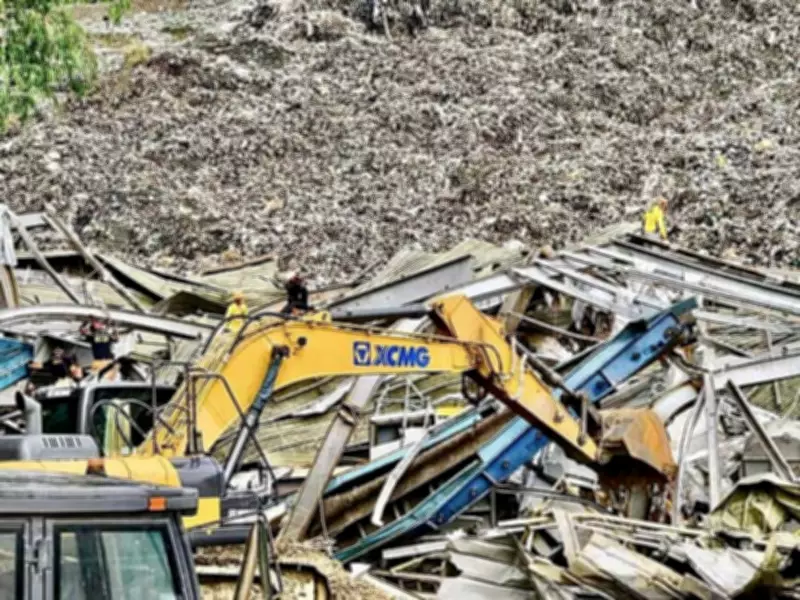
In response to a devastating trash slide that claimed the lives of 36 individuals in Barangay Binaliw on January 8, 2026, Cebu City Councilor Mikel Rama has introduced a groundbreaking ordinance aimed at imposing stricter safety regulations and mandatory liability insurance for solid waste facilities. This legislative proposal, known as the "Cebu City Solid Waste Facility Public Safety Ordinance of 2026," has been formally filed before the city council, marking a significant step toward enhancing public safety in waste management operations.
Key Provisions of the Proposed Ordinance
The ordinance seeks to establish comprehensive safety audit protocols, empower the City Government to swiftly halt operations deemed hazardous, and require facility operators to secure a minimum of P5 million in third-party liability insurance as a prerequisite for obtaining a mayor's permit. Councilor Rama emphasized that this measure is crucial for protecting residents living near landfills and ensuring that victims have access to financial assistance in cases of bodily injury, death, or property damage.
Why This Matters: The proposal grants the City immediate authority to act when a landfill or waste facility poses an "imminent threat to life and safety." Instead of relying on national agencies for intervention, the city mayor can issue a 72-hour order to cease operations if risks such as structural collapse, fire, or hazardous overflow are identified. This local control initiative follows the tragic disaster in Binaliw, where national laws typically delegate environmental monitoring to the Department of Environment and Natural Resources, while local governments manage day-to-day waste operations.

Enforcement and Implementation Strategies
To enforce these new rules, the ordinance calls for the creation of a Solid Waste Facility Safety Audit Team, responsible for conducting both scheduled and unannounced inspections. Operators who defy temporary stop orders will face a fine of P5,000 per day, with repeated violations leading to the suspension or complete revocation of the mayor's permit and potential facility closure. Councilor Rama clarified that the ordinance does not aim to override national agencies or set new environmental standards; rather, it leverages the City's existing authority, asserting that a business permit is a privilege contingent on meeting safety conditions to safeguard the public.
Next Steps: The measure will undergo thorough committee discussions before a vote by the City Council. If approved, the mayor will have 60 days to release implementation rules, compelling facility operators to obtain insurance and comply with safety audits to maintain their operations. This proactive approach underscores Cebu City's commitment to preventing future tragedies and ensuring accountability in waste management practices.