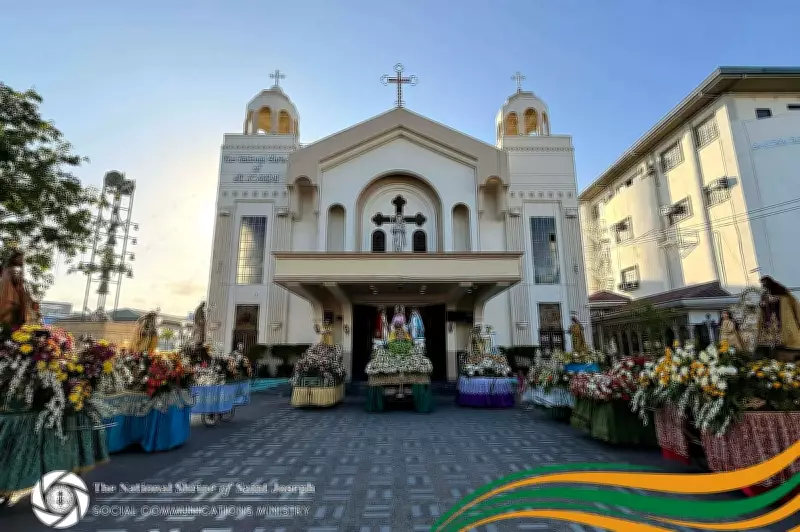
The National Shrine of Saint Joseph in Mandaue City is set to receive and display 26 authentic religious relics from Rome for public veneration.
Strengthening Spiritual Connection
Church leaders said this development will deepen the spiritual connection of local faithful to the universal Catholic Church and provide greater opportunities for prayer before sacred objects.
Fr. Ian Fel Balankig, rector and parish priest of the National Shrine of Saint Joseph, said the relics represent some of the most revered figures in Christianity.

The collection includes relics of Saint Joseph, the Virgin Mary, the Twelve Apostles, and six saints known for their deep devotion to Saint Joseph. A major highlight is the first-class bone relic of Saint Peter, considered one of the most significant parts of the collection.
Preparation and Authenticity
Balankig said preparations are ongoing for the arrival and public display of the relics. He explained that Church authorities in Rome directly entrusted the relics, strengthening the historical and spiritual link between the shrine in Mandaue and the Vatican.
The relics associated with the Twelve Apostles, especially Saint Peter, were entrusted to the National Shrine of Saint Joseph due to its long-standing devotion. The shrine is the home of the Señor de Cena, a unique life-sized image of the Last Supper that is over a century old.
Balankig noted, "The relic of Saint Peter was entrusted to our shrine because Rome recognized the importance of the Señor de Cena and the devotion held here in Mandaue."
Understanding Relics
Balankig emphasized that Catholics should not view relics as magical objects or amulets that grant wishes through their own power.
"For Catholics, relics are holy reminders of holy men and women who lived exemplary lives of faith. Through their intercession, we ask God for graces and blessings," the priest added.
He explained that relics consist of physical remains of saints, such as bones, or objects they owned. Their significance lies in their role as tangible links to individuals whose lives were marked by deep holiness, rather than any supernatural power inherent in the objects themselves.
Public Veneration
The decision to display the relics publicly will allow ordinary faithful to pray before them and seek spiritual inspiration, rather than limiting access to a select few.
Balankig also discussed the strict process the Catholic Church undertakes to verify the authenticity of relics before allowing them for public veneration.