Metro Cebu Air Quality Plummets to 'Very Unhealthy' Levels Amid Persistent Haze
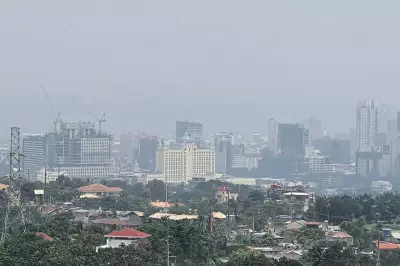
Air quality in parts of Metro Cebu has deteriorated alarmingly, reaching a "very unhealthy" level on Sunday morning, April 19, 2026. A persistent haze has blanketed the area since April 17, posing significant health risks to residents.
Sharp Spike in Air Quality Index
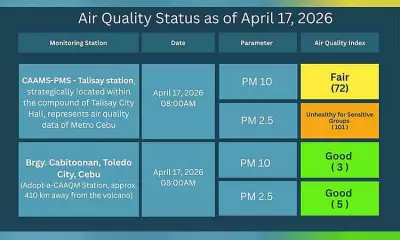
Data from the Environmental Management Bureau in Central Visayas (EMB 7) reveals a dramatic increase in pollution. At the Talisay City monitoring station, the Air Quality Index (AQI) surged from 112 on Saturday, April 18, to 199 by 8 a.m. on Sunday, April 19. This spike indicates heightened health dangers for both vulnerable populations and the general public.
The worsening conditions follow earlier readings on April 17, when air quality first entered the "unhealthy for sensitive groups" category with an AQI of 101. This initial decline was attributed to elevated levels of fine particulate matter, known as PM2.5.

Causes of the Deteriorating Air Quality
EMB 7 has identified several factors contributing to the haze. Hot weather and stagnant air, caused by high-pressure systems, have limited the dispersion of pollutants. With minimal wind, emissions from vehicles, road dust, and other sources have accumulated in the atmosphere.
Localized sources have also played a role. Grass fires in the South Road Properties (SRP) and residential or commercial fires in Pahina Central have been observed to add to the pollution, exacerbating the situation.
Health Risks and Safety Measures
The AQI is a critical scale used to measure air pollution levels and their associated health effects. Higher values signal more hazardous conditions. Health officials warn that at the current "very unhealthy" level, many individuals may experience symptoms such as throat irritation, coughing, and shortness of breath.
Vulnerable groups, including children, pregnant women, senior citizens, and those with pre-existing respiratory or heart conditions, face even greater risks.
To mitigate these dangers, residents are advised to:
- Stay indoors as much as possible
- Keep windows closed to prevent polluted air from entering
- Avoid outdoor activities, especially strenuous exercise
- Wear well-fitted N95 or KN95 masks when going outside
Authorities also urge the public to seek immediate medical attention if they experience chest pain, difficulty breathing, or severe wheezing.
Understanding Particulate Matter
Particulate matter is a key component of air pollution. PM10 refers to coarse particles measuring 10 micrometers or smaller, which can enter the nose and throat. In contrast, PM2.5 consists of finer particles measuring 2.5 micrometers or smaller. These tiny particles can penetrate deep into the lungs and even enter the bloodstream, posing more severe health risks.
Ongoing Monitoring and Assessment
EMB 7 has committed to continuing its monitoring of air quality conditions. The bureau will also assess the sources of the haze to better understand and address the pollution. This ongoing effort aims to provide timely updates and guidance to protect public health.
As Metro Cebu grapples with this environmental challenge, residents are encouraged to stay informed and adhere to safety recommendations to safeguard their well-being.