Metro Cebu Breathes Easier as Haze Subsides, But Authorities Urge Vigilance
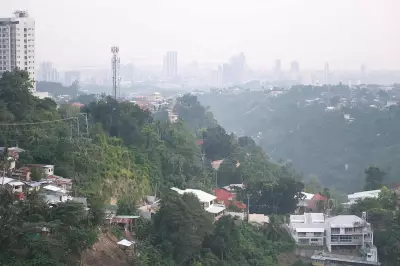
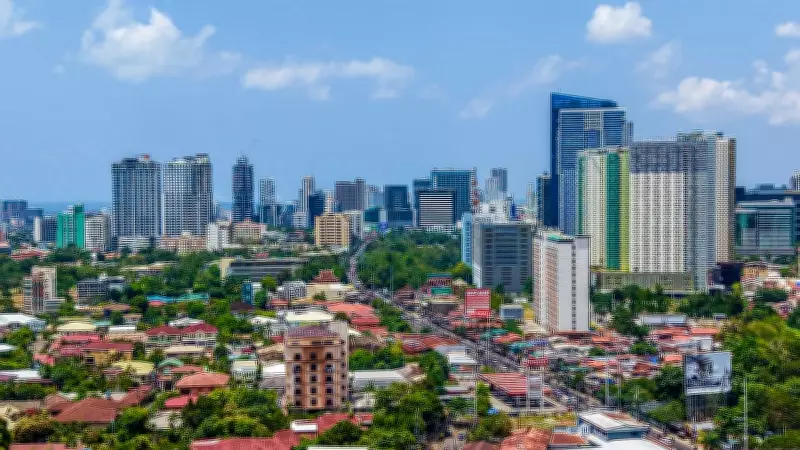
After enduring a week of choking haze, Metro Cebu finally enjoyed cleaner air on Wednesday, April 22, 2026. The Environmental Management Bureau (EMB) 7, however, has issued a stern warning to residents, calling on them to avoid burning waste and reducing vehicle emissions to prevent the return of hazardous pollution to the skies.
Air Quality Index Shows Significant Improvement
According to EMB 7, the Air Quality Index (AQI) registered at 98 on April 22, remaining at the high end of the "fair" range. This indicates that while conditions have improved, the air may still pose minor health risks to sensitive groups. The current state marks a dramatic shift from the peak AQI of 199 recorded on Sunday, April 19, when pollution levels reached a "very unhealthy" level due to persistent haze that lasted nearly a week.
The agency attributed the air quality improvement to stronger winds and natural ventilation, which helped disperse fine particulate matter (PM2.5). Pollution began to escalate on April 13, worsening to "unhealthy for sensitive groups" by Friday, April 17, before peaking over the weekend. By Monday, April 20, the AQI had dropped to 177, further declining to 98 by Tuesday, April 22.

Sources of Pollution and Health Impacts
EMB 7 identified the haze as stemming from vehicle emissions, road dust, industrial activities, and small-scale burning. These factors were exacerbated by hot weather and light winds, creating a zero-dispersion effect where pollution stagnated in the atmosphere instead of circulating away.
PM2.5, the primary pollutant, consists of extremely fine particles that can penetrate deep into the lungs and bloodstream. On Sunday, its concentration soared to 50.3 micrograms per cubic meter, exceeding the safety limit of 35. In response, the Department of Health (DOH) Central Visayas released a health advisory on Tuesday, April 21, after four days of haze.
The DOH warned that poor air quality affects everyone, particularly children, the elderly, and individuals with respiratory conditions like asthma. The public was advised to limit outdoor exposure, ensure proper ventilation, wear masks when necessary, and seek medical attention if symptoms arise.
Continued Precautions and Community Action
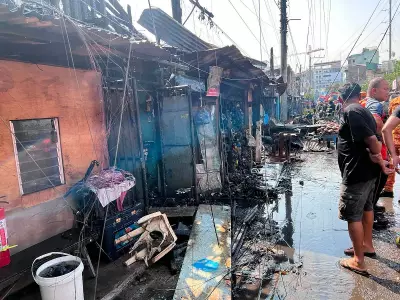
Despite the cleaner air, EMB 7 recommended that sensitive groups avoid prolonged outdoor activities. While residents can resume normal routines, they should remain cautious if experiencing coughs or respiratory discomfort. The agency also urged the community to help maintain air quality by refraining from waste burning, reducing vehicle smoke, and promptly reporting fires.
This incident underscores the ongoing challenges of urban pollution in Metro Cebu, highlighting the need for sustained environmental efforts and public cooperation to safeguard health and air quality for all residents.