
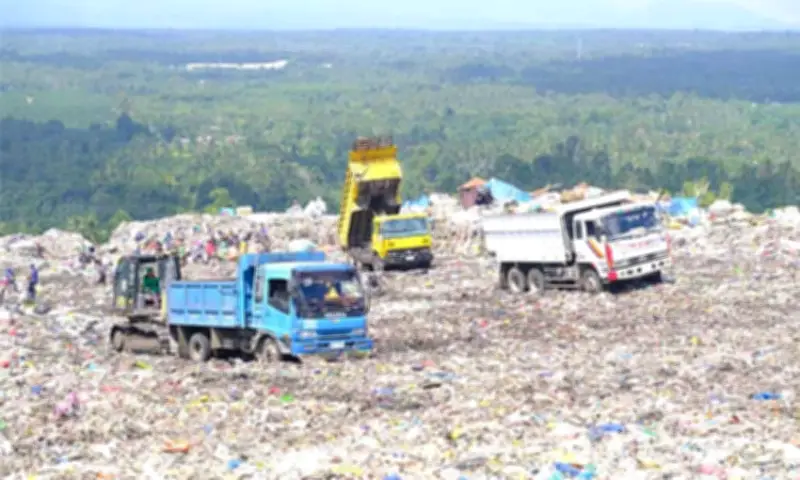
A Malaysian-Singaporean company has initiated a feasibility study for a proposed waste-to-resources project in Davao City, according to a local councilor. Councilor Temujin “Tek” Ocampo, chairperson of the committee on environment, announced that the company began its assessment on June 15 and expects to complete it within a month.
Ocampo explained that the company is currently analyzing the types and volumes of waste generated by the city, as well as potential processes to convert waste into usable resources. Once the feasibility study is finished, the company will submit a proposal detailing the technology it intends to employ.
The proposed system aims to produce Refuse-Derived Fuel (RDF), a processed fuel made from waste materials that can serve as an alternative to coal in power plants. If the city government approves the study's results and the project proceeds, Davao City could become the first city in the Philippines to implement this type of waste-to-resources technology.

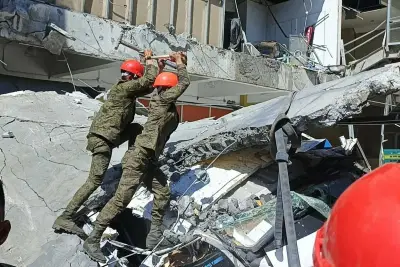
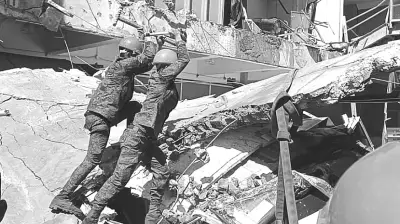
The company has already implemented similar projects in countries such as Singapore, Malaysia, Thailand, Indonesia, and Vietnam. Ocampo noted that the company sent a letter of intent to the city government to conduct the feasibility study two weeks after the trash slide incident at the New Carmen Sanitary Landfill, which resulted in two deaths.
“We are just waiting for them to complete their feasibility study. They are currently in the data-gathering phase, and once they submit their proposal, it will be reviewed by the city government,” Ocampo said on June 16 at the Sangguniang Panlungsod.
The councilor clarified that the city government would not spend any funds for the feasibility study or the potential implementation of the project, as the company would shoulder all costs. Ocampo revealed that the company initially approached the local government unit in 2025.
He added that several international companies have reached out to the city government to offer solutions to its waste management challenges. However, the city ensures that any proposed technology would be carefully reviewed and should not be similar to the Waste-to-Energy (WTE) project with the Japanese government.
The city government has been exploring long-term solutions to its waste problem following the temporary closure of the New Carmen Sanitary Landfill after the May 20 trash slide incident.
Understanding biodegradable waste is crucial in this context. While biodegradable waste decomposes, it still takes several processes and time to become useful. Experts suggest that biodegradable waste, especially compostable items like food scraps, should not be added to the ever-growing volume of waste sent to landfills, as numerous studies link biodegradable landfill waste to increasing greenhouse gas emissions into the atmosphere.