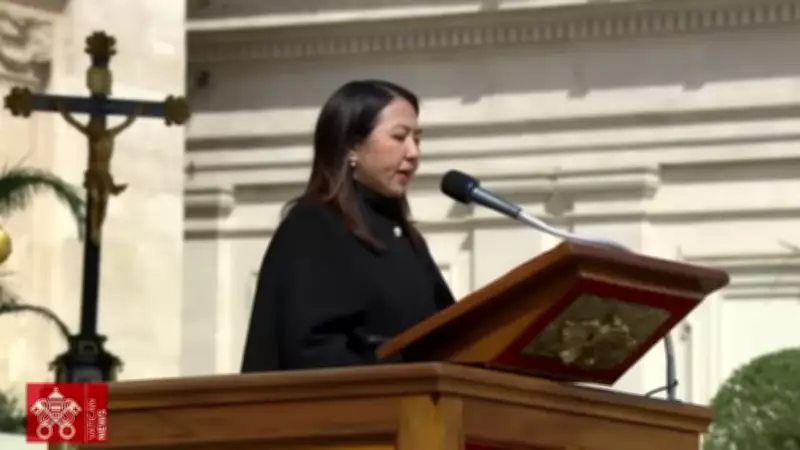
Filipino Prayer Resonates During Pope Leo XIV's Palm Sunday Mass in Vatican
In a deeply moving moment at the Vatican, a prayer in the Filipino language was heard during the Palm Sunday Mass led by Pope Leo XIV at St. Peter's Square. This significant inclusion, part of the Prayers of the Faithful, touched the hearts of many Filipino attendees, with some visibly moved to tears by the spiritual experience.
Prayer Highlights Solidarity with the Suffering
The prayer poignantly remembered those enduring hardship and oppression, underscoring Christ's profound solidarity with their struggles. It stated, "For all who suffer from poverty and affliction, Christ crucified stands in unity with their pain: may they feel the presence and comfort of God the Father through the help of all." This message of empathy and divine companionship resonated strongly with the congregation, reinforcing themes of compassion and communal support.
Pope's Homily Emphasizes Peace and Non-Violence
During his homily, Pope Leo XIV emphasized Jesus as the King of Peace, who rejects violence and cannot be used to justify war and suffering. His words served as a powerful reminder of the core Christian values of peace and reconciliation, aligning with the solemn occasion of Palm Sunday, which marks the beginning of Holy Week.

Joyful Conclusion to the Mass
As the Mass concluded, Pope Leo XIV greeted the faithful while touring St. Peter's Square in the popemobile, bringing joy to the thousands of attendees. This festive interaction highlighted the communal spirit of the event, blending solemn reflection with celebratory moments.
Significance of Palm Sunday in Catholic Tradition
Palm Sunday heralds the start of Holy Week, a crucial period for Catholics worldwide to commemorate the passion, death, and resurrection of Jesus Christ. The inclusion of a Filipino prayer in this global ceremony not only honored the Filipino Catholic community but also showcased the universal reach and inclusivity of the Church.
This event underscores the Vatican's ongoing efforts to embrace diverse cultures within its liturgical practices, fostering a sense of global unity among believers. The emotional response from Filipino participants reflects the deep spiritual connection many feel during such sacred observances, bridging geographical and linguistic divides through shared faith.