Uncovering Filipino Roots: A Guide to Tracing Your Ancestry and Family History
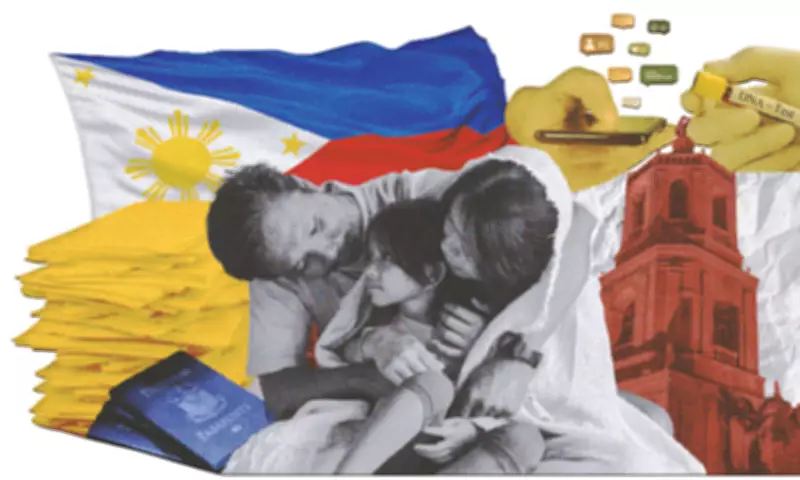
In recent years, a growing number of Filipinos have developed a profound curiosity about their origins, extending beyond mere geography into the rich tapestry of historical identity. This quest is often ignited by family narratives, cherished old photographs, or a deep-seated desire to comprehend one's personal heritage. Embarking on the journey of tracing ancestry in the Philippines is both an intimate and enlightening experience, offering a unique connection to the past.
While genealogical research in the nation presents distinct challenges—such as colonial-era disruptions, missing records, and evolving surnames—it is entirely achievable. In fact, delving into your roots frequently becomes a meaningful avenue for reconnecting with family, culture, and history, fostering a sense of belonging and continuity.
Begin with Family Stories and Heirlooms
The most accessible and often emotionally resonant starting point is your immediate family. Engaging in conversations with grandparents, aunts, uncles, and older relatives can unveil names, locations, occupations, and migration tales that never found their way into official documentation. Artifacts like old letters, photographs, baptismal certificates, marriage contracts, and even handwritten recipes serve as invaluable clues, piecing together the puzzle of your lineage.

In Filipino culture, oral history holds a pivotal role. Stories shared during family reunions or quiet afternoons may contain crucial details about ancestral provinces, former surnames, or significant events that have shaped your family's journey through generations.
Explore Church and Parish Records
Before the widespread establishment of civil registries, churches functioned as the primary record-keepers in the Philippines. Baptismal, marriage, and burial records—some dating back to the Spanish colonial period—are often preserved in parish churches or diocesan archives. For ancestors who were Catholic, these documents can reveal family names, parental information, godparents, and places of origin, proving especially useful for tracing lineage prior to the late 19th century when civil registration became more systematic.
Visit the National Archives and Local Civil Registries
For more formal documentation, the National Archives of the Philippines and local civil registry offices are essential resources. Birth, marriage, and death certificates—particularly those from the American period onward—can help establish precise timelines and familial connections. Additionally, local municipal halls may house records specific to towns and provinces, making them valuable stops when researching ancestors who resided outside major urban centers.
Investigate the Claveria Surname Decree
Many contemporary Filipino surnames trace their origins to the Claveria Decree of 1849, which standardized surnames across the archipelago during the Spanish era. While sharing a surname does not necessarily indicate shared bloodlines, understanding this historical context can clarify why certain surnames appear—or disappear—in family records. Studying surname origins may also point to regional roots or administrative assignments from the colonial period, adding depth to your research.
Utilize Online Genealogy Platforms and Social Media
Digital tools have significantly enhanced the accessibility of ancestry research. Online genealogy websites, forums, and dedicated Facebook groups for Filipino genealogy enable users to connect with distant relatives, exchange information, and access digitized records. Social media, in particular, has emerged as an unexpected yet powerful space for rediscovering family ties, especially for families separated by migration or overseas work, bridging gaps across distances.
Consider DNA Testing with Context
DNA ancestry tests can provide insights into ethnic origins and migration patterns, but they should be approached with realistic expectations. Given the Philippines' complex history of trade, colonization, and migration, results may reflect diverse influences rather than clear-cut categories. While DNA testing can complement traditional research methods, it is most effective when paired with historical records and family narratives, offering a more holistic view of your heritage.

Embrace the Journey, Not Just the Answers
Tracing your ancestry is rarely a linear process; it often involves missing pieces, conflicting stories, and unanswered questions. Yet, the journey itself—listening, researching, and remembering—can cultivate a deeper appreciation for your family's resilience and your place within a larger narrative. In a country shaped by centuries of movement and change, discovering where you come from is ultimately about understanding how the past lives on within you and how your story continues to unfold, enriching your sense of identity and connection.