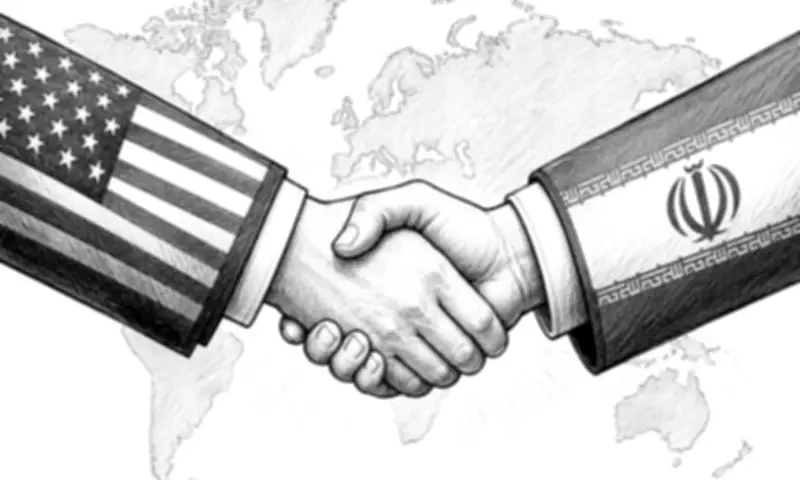
US-Iran Ceasefire: A Fragile Step Forward
The tentative agreement between the United States and Iran aimed at extending a ceasefire for 60 days represents a significant step toward a diplomatic resolution, but it should not be viewed as a complete success. The weakness of the current ceasefire and the ongoing exchange of accusations and military actions reveal that the foundation for peace remains delicate and susceptible to collapse.
Lack of Confirmation and Uncertainty
The lack of confirmation from Iran and the hesitancy within the US administration, particularly regarding President Donald Trump's position, indicate that the agreement is still in a phase of uncertainty. This ambiguity undermines confidence in the durability of the truce.
Strategic Importance of the Strait of Hormuz
The inclusion of the Strait of Hormuz in the agreement is a critical element with major implications for the global economy. This waterway is one of the world's leading supply routes for oil and natural gas. Its closure in previous months resulted in rising energy prices, directly affecting even countries not directly involved in the conflict. Therefore, reopening the strait and removing mines is not only a security issue but also a necessity for global economic stability.

Contradictory Actions and Lingering Risks
However, contradictory actions by the United States—discussing easing sanctions while simultaneously imposing new restrictions—create confusion. Ultimately, the tentative agreement serves as a reminder that peace cannot be achieved through a document alone. It requires strong political will, sincere adherence to commitments, and avoidance of actions that could reignite tensions. The world is watching not only the signing of the agreement but also the genuine efforts to sustain peace. If this fails, the impact will not be limited to the region but will extend to global economy and security.