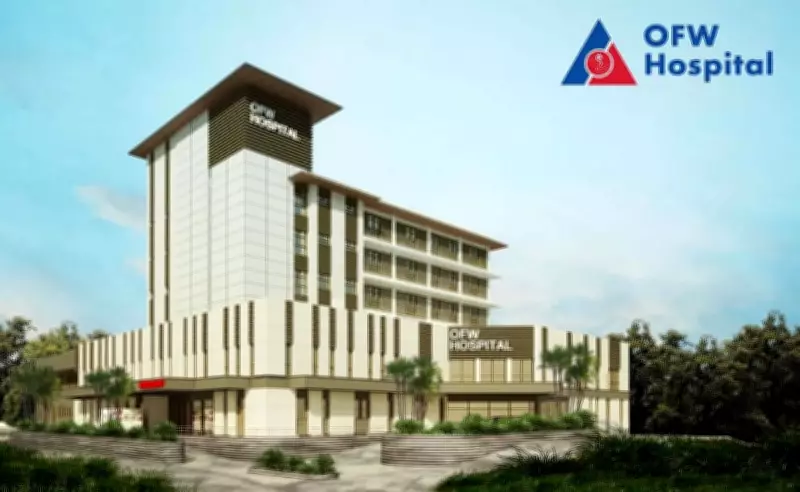
Legislation Filed to Establish Permanent OFW Medical Center in Pampanga
A significant legislative proposal has been introduced in the House of Representatives aiming to permanently institutionalize the Overseas Filipino Workers Hospital located in the City of San Fernando, Pampanga. Leyte Representative Martin Romualdez officially filed House Bill No. 7227, which seeks to transform the existing medical facility into a full-service, permanent government hospital exclusively dedicated to serving migrant workers and their immediate families.
Comprehensive Healthcare Mandate for Migrant Workers
Under the proposed OFW Hospital Act, the Pampanga-based medical center would be officially designated as a Level III healthcare facility and placed under the direct administrative supervision and operational control of the Department of Migrant Workers. Representative Romualdez emphasized that this legislative measure is specifically designed to ensure long-term governmental responsibility for migrant health concerns, encompassing both pre-deployment medical requirements and post-return healthcare services.
The hospital's primary mandate would include serving:

- Active and inactive Overseas Workers Welfare Administration contributors
- Qualified dependents of OFW contributors
- Non-OFW patients during periods of available capacity
Recognition of OFW Economic Contributions
"Our overseas Filipino workers literally carry our national economy on their shoulders every single day," stated Representative Romualdez. "One meaningful way to recognize their immense contribution is to guarantee that they and their loved ones have consistent access to quality healthcare services throughout their migration journey."
Tingog Partylist Representative Jude Acidre, who co-authored the legislative proposal, explained that the fundamental objective is to establish a permanent healthcare system that treats migrant health as an ongoing governmental obligation rather than a temporary program. "This represents a long-term and permanent service commitment to all our OFWs and their families," Acidre remarked. "Considering the extraordinary magnitude of their contribution to our nation's economy, this initiative still represents only a partial acknowledgment of their sacrifice. Nevertheless, it constitutes a genuinely positive beginning if we sincerely wish to honor our modern-day heroes."
Comprehensive Service Provisions and Administrative Structure
The proposed legislation mandates that the institutionalized hospital provide extensive healthcare services, including 24/7 telehealth support specifically tailored for overseas workers and their family members. The medical facility would also coordinate directly with Philippine foreign diplomatic posts and labor offices abroad to assist distressed workers awaiting repatriation procedures.
To comprehensively address the complete migration cycle, the bill designates the Pampanga facility as an official site for:
- Pre-employment medical examinations and health certifications
- Post-employment or post-arrival medical checkups and assessments
- Enhanced health monitoring and surveillance systems
The Department of Migrant Workers would assume primary responsibility for hospital administration, staffing decisions, strategic planning, and engagement with overseas worker organizations. Meanwhile, the Department of Health would provide essential technical assistance, capital outlay support, and regulatory oversight to ensure full compliance with national hospital standards and accreditation requirements.
Funding Mechanism and Implementation Timeline
Initial operational funding for the institutionalized OFW Hospital would originate from appropriations allocated to concerned government agencies, while subsequent financial support would be systematically incorporated into the annual General Appropriations Act. This funding structure ensures sustainable financial resources for the permanent medical facility dedicated to the healthcare needs of the nation's migrant workforce and their families.