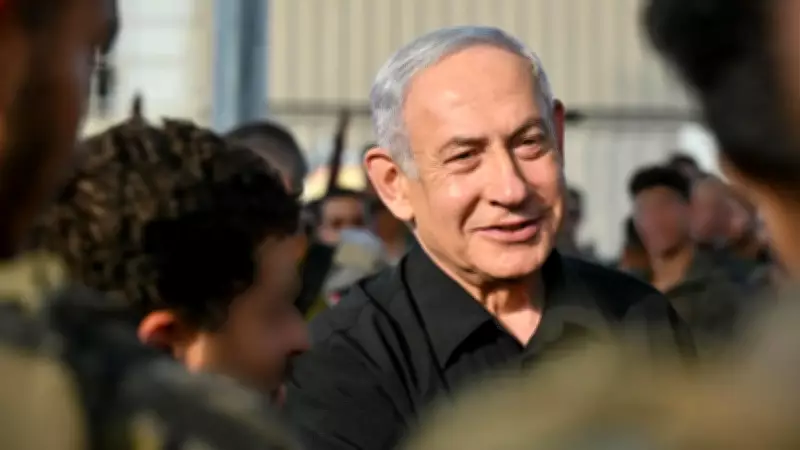
Israeli Prime Minister Benjamin Netanyahu faces mounting pressure as potential new negotiations between the United States and Iran emerge, complicating Israel's ongoing military campaign in the region. The situation intensified when U.S. President Donald Trump expressed openness to any negotiations with Iran aimed at reducing tensions, including discussions about limitations on Iran's nuclear and ballistic missile programs, which Tehran has denied.
Analysts Highlight Netanyahu's Strategic Dilemma
According to analysts, Netanyahu is now "under pressure," as he has been a primary advocate for an aggressive campaign against Iran. Michael Milstein, a former Israeli military intelligence officer and current head of the Palestinian Studies Centre at Tel Aviv University, explained the implications. "Because if there are negotiations, he will not be able to promote the war, and he can’t say to Donald Trump, 'I’ll continue the war without you'. He understands that he’ll have to accept it," Milstein stated.
Contradictions Between US and Israeli Positions
Milstein further elaborated on the challenges Netanyahu faces if Trump pursues negotiations that do not align with Israel's objectives. "Netanyahu wants to continue the war. He promised this war would end all the existential threats to Israel, and maybe even promote conditions to change the regime in Iran, and right now there is a gap between his promises and what is happening on ground," he said. "There is a kind of contradiction between Trump’s stance and Netanyahu’s," Milstein added, noting that Netanyahu may struggle to implement his strategy while maintaining public support.

Iran's Demands and Regional Military Dynamics
Meanwhile, Iran has maintained its position, demanding compensation and guarantees before engaging in talks with America. As the United States balances diplomacy with its continued military presence in the Middle East, Israel's stance remains more aggressive. This was highlighted after Israeli Defence Minister Israel Katz announced plans to establish an extensive security zone in South Lebanon up to the Litani River as part of their campaign against the militant group Hezbollah, which is allegedly supported by Iran.
The evolving diplomatic landscape poses a significant test for Netanyahu, who must navigate between international negotiations and domestic expectations amid ongoing regional hostilities.