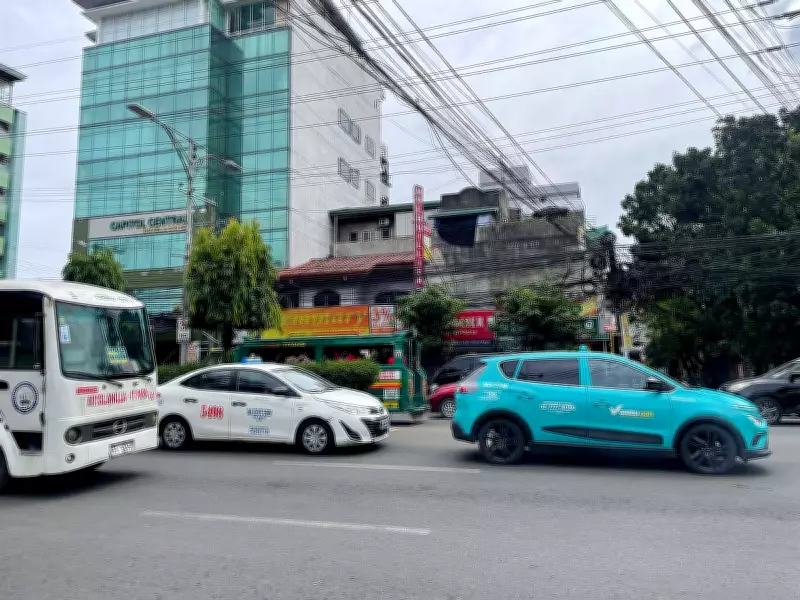
In a significant development for Cebu's transportation landscape, the Green and Smart Mobility (GSM) electric taxis from Vietnam have commenced operations in the province, starting their journeys on Thursday, January 29, 2026. This move comes even as the original launch plan for these vehicles remains under review and partially suspended due to ongoing disputes.
Launch Amidst Controversy and Suspension
The initiation of GSM electric taxi services in Cebu occurs against a backdrop of regulatory challenges. The proposal to deploy 600 units of these eco-friendly taxis across Metro Cebu has been suspended following strong opposition from local taxi operators. Leading this resistance is the United Cebu Taxi Operators Association (Uctoa), which has voiced concerns over the potential impact on existing businesses and traffic conditions.
Regulatory Hurdles and Operator Backlash
The conflict escalated when the Land Transportation Franchising and Regulatory Board (LTFRB) issued a memorandum in November 2025. In this document, GSM applied for a franchise to operate the 600 electric taxi units within a remarkably short 24-hour window. This rapid application process raised alarms among local stakeholders, who feared it could disrupt the market and exacerbate congestion issues.

Originally scheduled for December 19, 2025, the launch of GSM's fleet was suspended with the support of Cebu Governor Pamela Baricuatro. Her decision came in response to appeals from local operators, who filed a formal complaint on December 23, 2025, effectively halting the planned rollout. This suspension highlights the tension between promoting green mobility and protecting local economic interests.
Infrastructure and Policy Challenges
To address broader transportation concerns, the Cebu Provincial Government has established the Cebu Transport Council. This body is tasked with developing sustainable transportation policies for the province, balancing the push for electric vehicle adoption with practical realities. During a consultation meeting on January 5, 2026, involving GSM, LTFRB, and local taxi operators, Governor Baricuatro emphasized key infrastructure gaps.
She pointed out that Cebu currently lacks sufficient charging stations and does not have a robust electricity supply to support a large fleet of electric taxis efficiently. These limitations pose significant hurdles for the widespread implementation of electric mobility solutions in the region.
Future Implications for Cebu's Transport Sector
The ongoing situation underscores the complexities of integrating new technologies into established transport systems. While GSM's electric taxis represent a step toward greener transportation, their deployment must navigate regulatory approvals, local opposition, and infrastructure readiness. The outcome of this review process will likely influence future electric vehicle initiatives in Cebu and other Philippine provinces.
As the Cebu Transport Council works on long-term policies, stakeholders continue to debate the best path forward. Balancing innovation with stakeholder concerns remains a critical challenge for achieving sustainable urban mobility in the Philippines.