Michelin Guide's Philippine Debut Elevates Restaurant Standards Across the Board
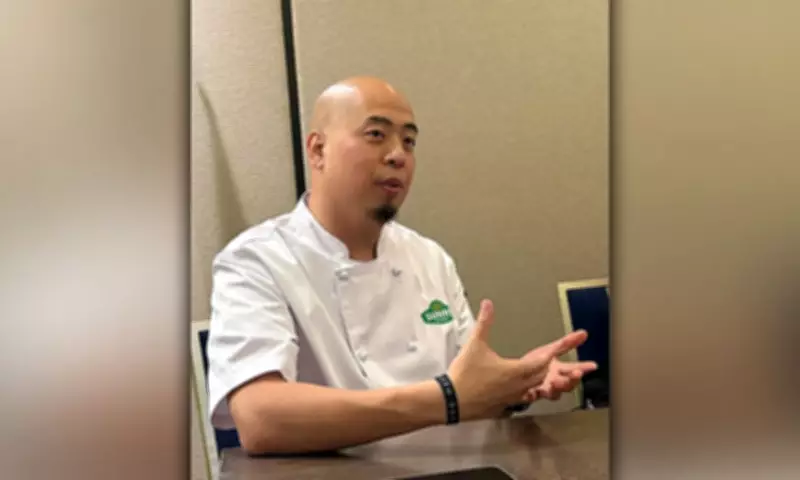
The arrival of the prestigious Michelin Guide in the Philippines is fundamentally reshaping how restaurants approach quality, consistency, and long-term positioning, with effects extending far beyond the fine-dining segment. According to chef and culinary consultant Bruce Lim, the guide has accelerated a significant shift toward tighter kitchen discipline, reliable ingredient sourcing, and a more holistic view of the entire dining experience, encompassing everything from food execution to service and ambience.
Raising Expectations for All Dining Establishments
Restaurants are no longer thinking only about taste, said Lim, who serves as culinary authority partner at Sunny Farms, a food service brand exclusively distributed by Cebu-based Global Pacific Distribution Network. They are now prioritizing consistency, value, presentation, and the complete customer journey. Even casual concepts and neighborhood eateries are feeling the ripple effects of this elevated standard. While few expect to receive Michelin recognition themselves, heightened consumer awareness of quality benchmarks is pushing operators across the board to upgrade ingredients, standardize kitchen processes, and refine execution.
For suppliers, this shift favors brands that can deliver predictable flavor profiles, uniform sizing, and reliable yields—critical factors for minimizing errors and maintaining high standards across all service periods. The Michelin effect raises expectations across the entire industry, Lim emphasized. Once diners begin paying closer attention to quality and detail, restaurants simply cannot afford inconsistency in food cost, portioning, or flavor.

Evolution in Menu Development and Operational Focus
Menu development is also undergoing a transformation. Many chefs are now trimming expansive offerings to focus on a select number of dishes they can execute flawlessly, thereby reducing operational strain and significantly improving consistency. This strategic refinement is evident in the recognition of Philippine restaurants by Michelin. At the inaugural Michelin Guide Ceremony for Manila and Environs & Cebu in 2026, a total of 25 Philippine restaurants received the Bib Gourmand distinction, while over 70 establishments were included in the Michelin Selected list. Notably, eighteen Cebu-based restaurants made the selection, underscoring Cebu's emergence as a formidable global dining destination.
The Impact of Social Media on Modern Dining
Beyond the influence of the Michelin Guide, social media platforms are redefining competition within the restaurant industry. Lim, known for his work on the Asia Food Channel, explained that restaurants now differentiate themselves through visual presentation, branding, and compelling storytelling. Platforms like Instagram and TikTok have turned dining into a highly visual, shareable experience, where a dish's postability can be as crucial as its taste.
You can have great food, but if it does not stand out visually or conceptually, it is very hard to gain traction now, he stated. The business implications are substantial. Operators are increasingly investing in product consistency to ensure dishes look identical across services and outlets, especially when viral exposure drives sudden spikes in demand. Standardized plating, repeatable recipes, and uniform ingredients help manage increased volume without sacrificing quality—essential when online popularity converts directly into foot traffic.
This trend has also leveled the playing field. With strong branding and consistent execution, even food carts and pop-ups can achieve national visibility almost overnight. What truly matters is clarity of concept, Lim noted. Even a simple product can succeed with a strong identity and consistent execution.

Standardizing Filipino Cuisine for Global Competition
Lim believes that Filipino cuisine has the potential to compete on the global stage, but without standardization, it risks remaining fragmented abroad. He cited Thailand's government-backed effort to define core recipes and flavor profiles for iconic dishes before promoting them internationally, which enabled consistency across markets. If we want Filipino food to go global, we need a common standard, said Lim, who also served as executive chef for the 2019 Southeast Asian Games. You cannot have five different versions of adobo overseas and expect people to understand Filipino food.
Unlike Thailand, Filipino staples such as adobo, sinigang, and kare-kare vary widely by region and household—a strength locally but a significant challenge internationally. Lim stressed that standardization does not erase diversity but rather creates a recognizable baseline. Once established, regional variations can follow. If our ingredients are already global, our cuisine should be too, he argued. But it requires discipline, training, and agreement on what defines a dish.
For food manufacturers, restaurateurs, and exporters, clearer standards could open new markets for sauces, ready-to-eat meals, and packaged ingredients—positioning Filipino cuisine as a scalable global brand rather than merely a niche trend.