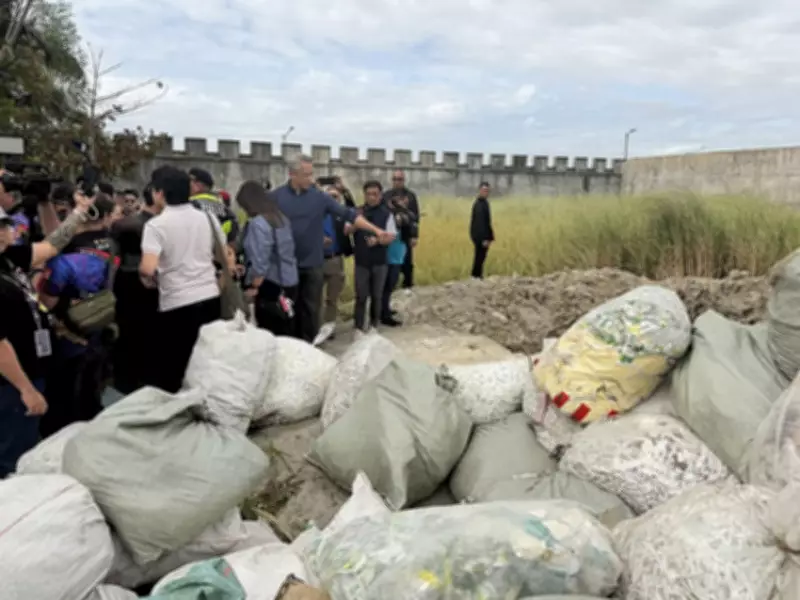
Major Illegal Cigarette Factory Uncovered in Pampanga Warehouse Raid
In a significant law enforcement operation, Department of the Interior and Local Government (DILG) Secretary Jonvic Remulla personally led the inspection of a warehouse in Mexico, Pampanga, revealing a massive illegal cigarette manufacturing operation with potential connections to high-ranking government officials.
Joint Operation Leads to Arrests and Rescues
The raid, conducted on January 28, 2026 in Barangay Panipuan, Mexico, Pampanga, was a coordinated effort involving the Criminal Investigation and Detection Group (CIDG), Bureau of Customs, and Bureau of Internal Revenue. During the operation, authorities arrested six Chinese nationals and rescued 65 Filipino workers from what Secretary Remulla described as "inhumane working conditions."
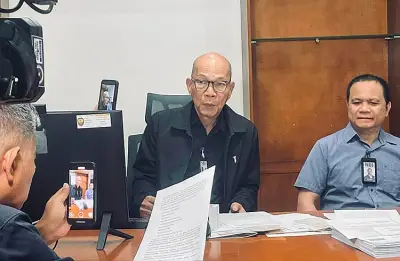
Secretary Remulla explained during a press conference on February 5, 2026 that the Filipino workers were victims of human trafficking, having been promised monthly salaries of P15,000 but were not paid for their last period of work. "We consider that involuntary servitude," Remulla stated, noting that full debriefing of the rescued workers was still ongoing to determine their origins.

Massive Financial Scale and Nationwide Network
Authorities seized cigarette-making machines valued at approximately P400 million along with tax stamps during the operation. According to Secretary Remulla, the illegal factory had the capacity to produce P150 million worth of cigarettes daily, generating estimated monthly revenues of around P4.5 billion.
The investigation has revealed that this operation represents just one part of a much larger network. "We suspect there are 10 other manufacturing sites all over the country," Remulla disclosed, adding that authorities already have intelligence on these locations and expect to conduct further operations in the coming days and weeks.
International Connections and Government Losses
Secretary Remulla emphasized the international scope of the operation, noting that intelligence had been gathered from Singapore and Indonesia. "This is an international system," he stated, suggesting the network extends beyond Philippine borders.
The financial impact on government revenue has been substantial. Remulla revealed that in 2024 and 2025, the government lost approximately P60 billion to smuggled cigarettes, funds that should have been allocated to the country's healthcare system. "That P30 billion in excise tax is supposed to go to the Philippines' healthcare system," he explained, highlighting how illegal cigarette operations directly reduce resources for public health services.
Legal Proceedings and Expanded Investigation
The six arrested Chinese nationals have already undergone inquest proceedings for violations of Republic Act 9208, the Anti-Trafficking in Persons Act, before the National Prosecution Service on January 30, 2026. Authorities are also considering additional charges under Republic Act 12022 (Anti-Agricultural Smuggling Act) and various environmental laws.
Perhaps most significantly, investigators are examining the possible involvement of two high-ranking elected government officials from northern Luzon in the illegal manufacturing operation. This development suggests the investigation may reach into political circles as authorities work to dismantle the entire network.
Secretary Remulla concluded by emphasizing the broader implications of such illegal operations: "Every illegal cigarette that enters the country reduces the funds meant for public health. That's why we are now facing a shortfall in excise revenue due to the illegal manufacturing and smuggling of tobacco."