Philippine and US Air Forces Conduct Joint Bomber Patrol Over West Philippine Sea
The Philippine Air Force (PAF) and United States Pacific Air Forces (PACAF) have successfully completed a series of bilateral air exercises, culminating in a joint bomber air patrol over the West Philippine Sea and Luzon Strait. These activities, conducted from February 2 to 6, 2026, represent a significant step in strengthening military cooperation between the two allied nations.
Coordinated Air Activities Across Multiple Locations
According to PAF spokesperson Colonel Ma. Christina Basco, the bilateral engagement featured coordinated air activities designed to enhance cooperation and interoperability between Philippine and US forces. The exercises involved multiple strategic locations across Luzon, including:
- Colonel Ernesto Rabina Air Base in Tarlac City
- The West Philippine Sea via the Luzon Strait
- Various other locations throughout the Luzon region
Additional support for these operations was provided by the US Special Operations Command Pacific and Marine Corps Forces, Pacific, demonstrating comprehensive multi-domain cooperation between the allied forces.

Progressive Training Exercises Over Five Days
The bilateral air activities followed a carefully structured progression over the five-day period:
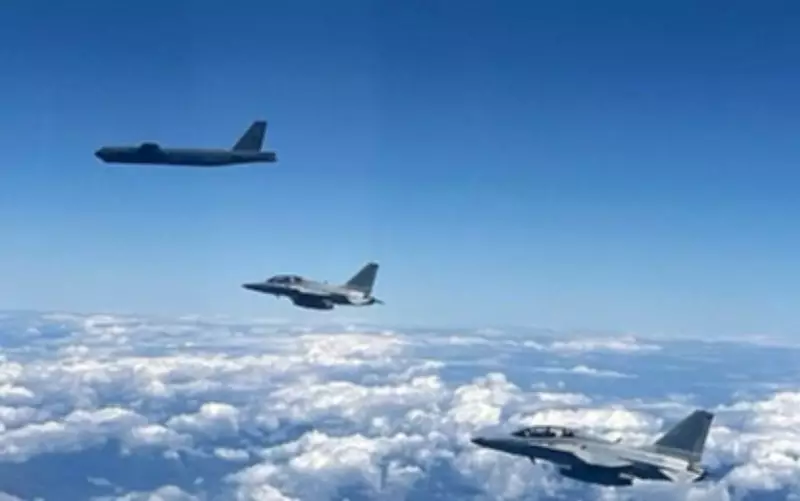
- February 2: The exercises commenced with a live drop exercise involving two PAF FA-50PH fighter aircraft and two US PACAF B-52 bomber aircraft, establishing initial operational coordination between the forces.
- February 4: Training progressed to an air defense scenario over the West Philippine Sea, focusing specifically on airspace coordination, command-and-control integration, and joint operational response capabilities.
- February 6: The activities culminated in a joint bomber air patrol over the West Philippine Sea and Luzon Strait, highlighting combined mission planning, airspace coordination, and operational readiness among participating forces.
Enhanced Interoperability and Strategic Cooperation
Colonel Basco emphasized that these joint activities significantly enhanced bilateral interoperability, operational readiness, and strategic cooperation through comprehensive joint planning, coordination, and execution in realistic training environments. The exercises provided valuable opportunities for both air forces to refine their collaborative capabilities and response mechanisms.
"Through these combined air activities and multi-domain support, the PAF continued to strengthen defense partnerships and reinforce its capability to safeguard national airspace and uphold sovereignty," Basco stated in her official announcement.
The successful completion of these exercises demonstrates the ongoing commitment of both nations to maintaining regional security and strengthening their defense partnership through practical, hands-on training operations.