
Sulu Island Community Takes Concrete Step Toward Peace Through Firearm Surrender
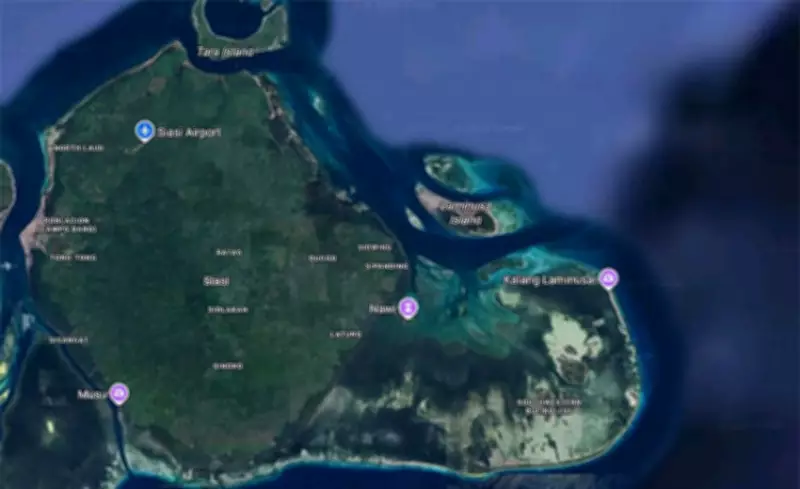
In a significant development for peacebuilding efforts in the southern Philippines, civilians residing on Laminusa Island, within the municipality of Siasi, Sulu, have voluntarily turned over assorted firearms to military authorities. This collective action directly supports ongoing initiatives to declare the island town a gun-free and peace-centered community, according to statements released by the Armed Forces of the Philippines on Wednesday, February 4, 2026.
Facilitated Surrender and Inventory of Weapons
The voluntary surrender operation was meticulously facilitated by troops from the 104th Infantry Battalion (104IB), which operates under the 1102nd Infantry Brigade (1102Bde) of the 11th Infantry Division (11ID). This military effort was conducted in close coordination with barangay officials from Laminusa Island, ensuring community involvement from the outset.
Lieutenant Colonel Roy Dalumpines, the commanding officer of the 104IB, provided a detailed inventory of the surrendered items. The cache included one historic Garand rifle, two Carbine rifles, one magazine, and thirteen rounds of caliber .30 ammunition. All surrendered firearms have been formally turned over to the 104IB for proper documentation, inventory, and eventual disposition in accordance with military and legal protocols.

Sustained Dialogue and Community Leadership as Catalysts
Lt. Col. Dalumpines emphasized that this surrender is not an isolated event but rather a tangible reflection of positive outcomes stemming from sustained dialogue, continuous confidence-building measures, and respectful engagement between military personnel and local communities. These efforts have collectively encouraged residents to actively support peaceful and lawful resolutions to local security concerns.
The activity was specifically coordinated with key local leaders to ensure grassroots support and legitimacy. Notable figures involved include Tengah village chairperson Rashdi Maung, Kongkong village chairperson Adekin Sarripudin, and Puukan village chief Rodia Haddari. Their participation underscores the initiative's role in strengthening existing community-based peace mechanisms and fostering local ownership of the peace process.
Military Leadership Hails Collaborative Achievement
Brigadier General Alaric Avelino Delos Santos, commander of the 1102Bde, framed the event within a broader strategic context. He stated that every voluntary surrender of firearms represents a concrete and measurable step toward sustaining long-term peace and stability in the region. He further underscored the critical importance of initiatives led by Local Government Units (LGUs), with the security sector acting as a supportive partner rather than a unilateral force.
Echoing this sentiment, Major General Leonardo Peña, commander of the 11th Infantry Division, lauded the collaborative effort demonstrated in Laminusa. He highlighted that achieving lasting peace is fundamentally dependent on building trust, maintaining open dialogue, and embracing a shared responsibility among community members, local leaders, and security forces. This tripartite cooperation is viewed as essential for durable outcomes.
Future Expansions of the Peace Initiative
Looking ahead, military officials confirmed that similar community engagement activities and firearm surrender programs are planned to continue across other island municipalities within the Sulu archipelago. The strategic goal is to further consolidate the peace gains achieved in areas like Laminusa and proactively prevent the resurgence of armed threats by addressing the root causes of conflict through cooperation and voluntary compliance.
This event in Laminusa Island stands as a promising model of how military-community partnership, backed by local leadership, can advance the collective aspiration for a safer and more peaceful environment in historically conflict-affected areas of the Philippines.