
Drunk Driving Debate: Enforcement Gaps, Not Legal Weakness, Plague Philippine Roads
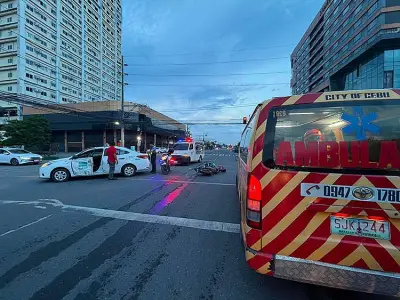
The tragic death of entrepreneur Kingston Ralph Cheng on February 8, 2026, after being struck by a vehicle driven by Sean Andrew Pajarillo, has reignited a difficult national conversation. The incident inevitably raises the question: is our existing legal framework on drunk driving strong enough, or is enforcement the real weakness?
Political Reactions Versus Legal Reality
Following such tragedies, politicians are typically quick to propose legislative solutions: amend existing laws, increase penalties, overhaul the Land Transportation and Traffic Code (Republic Act 4136), and make punishments harsher. However, the truth reveals a different story. The Philippines does not suffer from a lack of drunk driving laws; it suffers from a lack of strict and consistent enforcement.
Drunk and drugged driving is already penalized under RA 10586, the Anti-Drunk and Drugged Driving Act of 2013. Long before this legislation, reckless driving and criminal negligence were punishable under RA 4136 and the Revised Penal Code. When intoxicated driving results in death, offenders face imprisonment, substantial fines, license revocation, and civil liability.

The Three Pillars of Deterrence
Effective deterrence rests on three fundamental pillars: clarity of law, certainty of detection, and swiftness of consequences. The Philippines has established the first pillar with clear legislation. However, the nation struggles significantly with the second and third pillars.
- Certainty of Detection: Random sobriety checkpoints during weekends and holidays remain rare. Many police units lack portable breath analyzers for immediate testing.
- Swiftness of Consequences: Chemical tests are often delayed. In Pajarillo's case, testing reportedly occurred 19 hours after the incident, suggesting potential evidence collection issues.
Cultural Challenges and Operational Failures
Beyond enforcement gaps, a deeper cultural problem persists. Drunk driving remains socially tolerated in many communities, with dangerous rationalizations like "Nakainom na, pero kaya ra" (I've been drinking, but I can handle it) or "Duol ra" (It's just nearby). These attitudes contribute directly to road fatalities.
Enforcement must be relentless enough to change behavior. People obey traffic laws not primarily because they fear harsher penalties, but because they expect certain and immediate consequences for violations.
The NBI Investigation and Legal Distinctions
The entry of the National Bureau of Investigation (NBI) 7 to investigate Kingston's death raises questions about potential changes to the complaint already filed against Pajarillo for reckless imprudence resulting in homicide. Pajarillo has posted bail for temporary liberty.
If the NBI conducts a meticulous reconstruction, re-examines forensic evidence, verifies intoxication findings, and strengthens the evidentiary chain, prosecutors may reassess whether the facts justify filing charges under RA 10586 instead of the reckless imprudence case.
- Legal Distinction: Reckless imprudence focuses on negligence, while RA 10586 specifically addresses driving under the influence of liquor or drugs.
- Penalty Differences: Under RA 10586, if intoxication is clearly established and results in death, penalties are higher and more specific than those for "reckless imprudence" under the Revised Penal Code.
Beyond Symbolic Reform
Kingston's death should not be reduced to another headline that produces merely symbolic amendments. If justice is to mean something beyond punishment after tragedy, the focus must shift from reactive lawmaking to proactive enforcement.
While public grief and anger are real and justified, meaningful reform should honor Kingston's memory by focusing less on rewriting statutes and more on ensuring that no intoxicated driver believes they can get behind the wheel and escape accountability.

The real turning point will not be the NBI's entry into the investigation, but the prosecutor's decision regarding which legal theory to pursue. This is where accountability either strengthens or softens. Justice is determined not by which badge investigates, but by whether evidence is strong enough to withstand courtroom scrutiny.