
Cebu's Political Landscape: Internal Conflicts and External Pressures
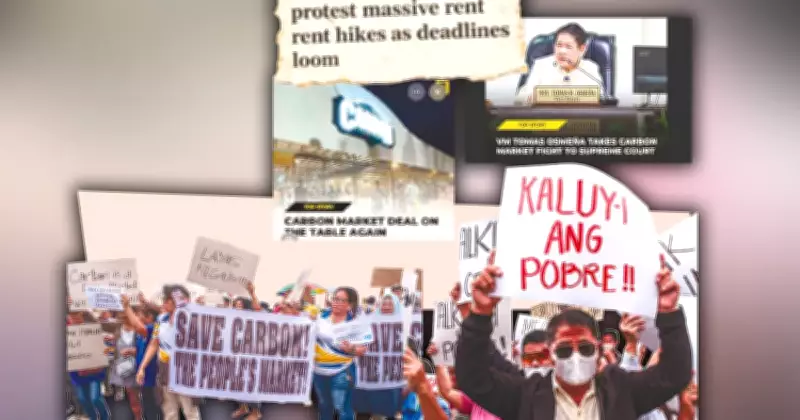
The political dynamics in Cebu are currently marked by significant internal disagreements and external challenges that highlight the complexities of local governance in the Philippines. At the heart of the matter is a joint venture agreement (JVA) between the City Government and private partners, which has become a focal point of contention among key officials.
Divergent Strategies on the Joint Venture Agreement
Typically, policy in Cebu City is shaped by the administration and formalized through legislative processes, requiring consensus from the legislature and approval from the mayor, who is presumably supported by their political party. However, the JVA represents a contractual law between the City Government and private entities, creating a unique legal framework that bypasses traditional policy-making channels.
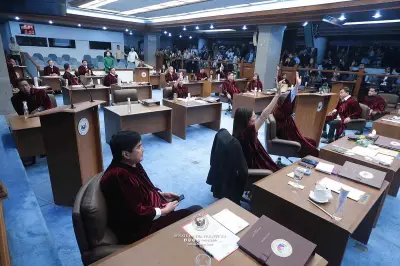
Currently, there is no unanimity within the administration itself regarding this agreement. Mayor Archival and Vice Mayor Osmeña have put forward clashing strategies to resolve the ongoing conflict. The situation is further complicated by the City Council, which is dominated by the minority, making its eventual decision uncertain. This stands in contrast to the approach taken under former mayor Mike Rama, when the Barug/Team Rama administration opted for dialogue rather than litigation for rescission or annulment of similar agreements.

National Political Aspirations and Cebuano Representation
Beyond local disputes, Cebuanos have long expressed concern over the loss of Cebuano representation in the Senate. The last senator from Cebu, Serge Osmeña III, completed his term in 2010 and faced electoral defeats in 2016 and 2019, followed by perpetual disqualification in 2025. This has created a void that only Cebuanos with national public awareness or recognition can hope to fill.
Two prominent figures, Gwen Garcia and Christina Garcia-Frasco, have been viewed as potential candidates due to their national exposure—Garcia for her occasional bold moves on the national stage and Frasco for her media presence in tourism campaigns. Although both have stated they will not run for national positions, public perception often interprets "will not" as "will never." Garcia is likely to consider a run if her poll ratings improve, while Frasco may benefit from national recognition even without immediate senatorial ambitions.
Interestingly, Cebuanos do not distinguish between using "epal" (show-off) tactics for personal gain and seeking national prominence for Cebu's interest. If they disapprove of such behavior, they reject it outright, regardless of its potential to elevate Cebu's profile on the national stage.
Governor Baricuatro's Response to Alleged Threats
In a separate but related development, Cebu Governor Pamela Baricuatro has transformed an alleged death threat into a public relations opportunity. Instead of expressing anger or fear, she has portrayed herself as courageous and prayerful, stating she is "fearless in the face of death" and focused on improving Cebu. This approach aims to reinforce her image as a resilient leader dedicated to public service.
Broader Political Context and International Parallels
The political climate in Cebu reflects broader trends, including the contentious nature of public discourse. Internationally, figures like former US President Trump have demonstrated a propensity for outrageous rhetoric, with supporters often dismissing concerns about racism or extremism. This global context underscores the challenges faced by local leaders in navigating complex political environments while maintaining public trust and stability.