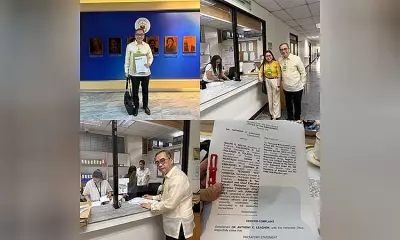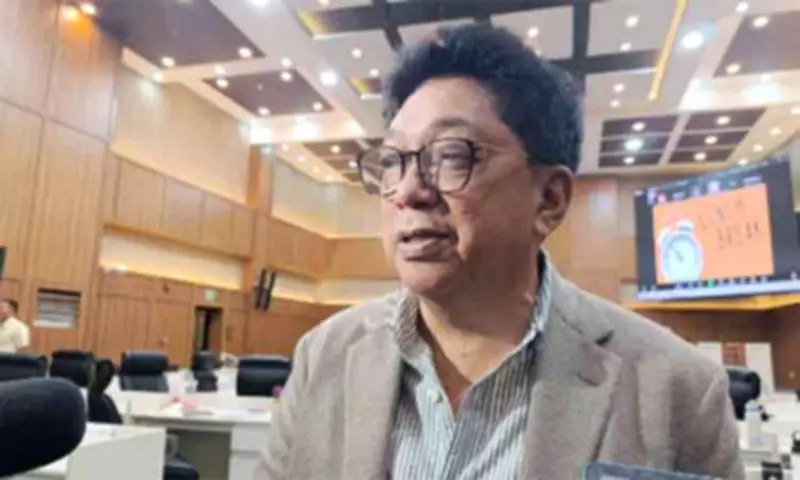
Davao City Councilor Danilo Dayanghirang has expressed serious concerns over the proposed Schedule of Market Values (SMV) under Republic Act No. 12001, warning that it could become a heavy burden on the public. Dayanghirang, who chairs the Committee on Finance, Ways and Means, and Appropriations, highlighted that the increase in market valuation may range from 78 percent to 100 percent, and in some cases, even up to 600 percent to 1,000 percent, depending on property reclassification and use adjustments.
Impact on Residential and Commercial Properties
During his privilege speech at the Sangguniang Panlungsod on Tuesday, May 26, 2026, Dayanghirang stated that residential areas may experience increases that ordinary homeowners can no longer sustainably afford. Commercial properties, he added, could face double or even higher increases in real property taxes. “Tax declarations in certain areas may even exceed actual market realities. If not calibrated properly, this may create a ripple effect across the economy,” he warned.
Broader Economic Consequences
The councilor noted that higher property valuations could lead to increased acquisition costs, capital gains taxes, documentary stamp taxes, estate taxes, transfer fees, and other related charges imposed by the national government. This, in turn, may discourage investments, slow down housing development, affect small entrepreneurs, and impact the lives of ordinary citizens.

Dayanghirang acknowledged the importance of reform and proper valuation of real properties, as well as the intention of the national government to establish an updated valuation system and the efforts of the city assessor’s office. However, he emphasized that the proposed SMV would burden the public.
Consultations Reveal Sectoral Concerns
Dayanghirang reported that during consultations and forums with the Chamber of Real Estate and Builders’ Associations, Inc. (Creba), the Davao City Chamber of Commerce and Industry, Inc. (DCCCII), developers, business leaders, and representatives from other sectors, stakeholders voiced concerns over the possible effects of the proposed SMV. The business sector expressed worry over the “abrupt and excessive” increase, which could affect the real estate market, investor confidence, and the city’s long-term competitiveness. Developers who provide housing warned that tax burdens could be passed on to ordinary citizens.
“Behind every tax declaration is a family, a lifetime of sacrifice, and a small business struggling to survive,” Dayanghirang said, stressing that the increase is not just about numbers on paper, but about sustainability, fairness, and compassion.
Recommendations for a Balanced Approach
Dayanghirang urged the city government to proceed with caution and balance fiscal needs with economic realities. He cited recommendations from the consultations, including phased implementation of the increase, reviewing assessment levels and tax rates to avoid burdening taxpayers, and adopting a reasonable cap with gradual adjustments. Other suggestions include benchmarking best practices from highly urbanized cities, conducting a comprehensive tax impact analysis, and holding further consultations with affected sectors.
He also proposed inviting representatives from the Bureau of Local Government Finance during the next regular session to provide an update on the status of the proposed 2026 Schedule of Market Values.