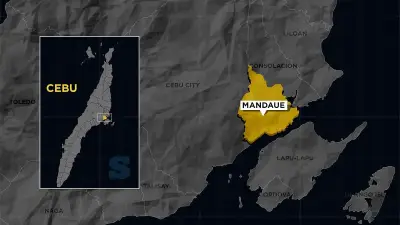

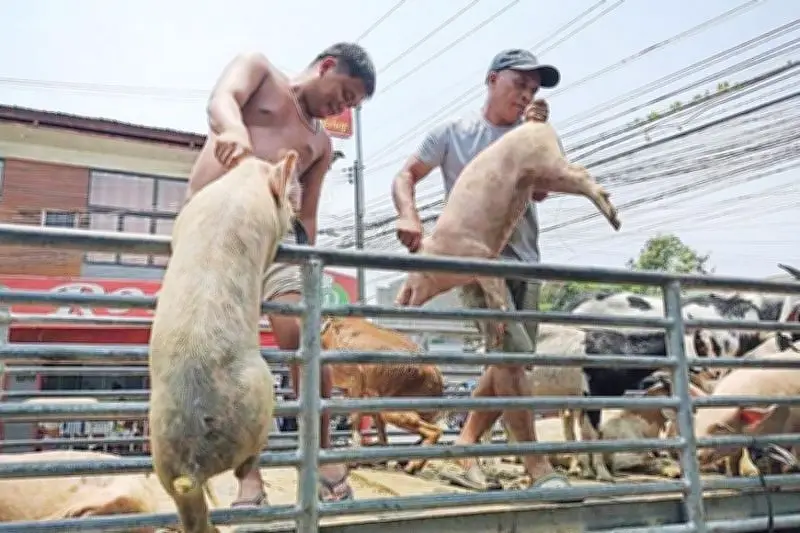
Cebu Province has temporarily banned the entry of live hogs, pork, and processed pork products from Negros Island and other areas affected by African swine fever (ASF). Governor Pamela Baricuatro issued Executive Order (EO) 39 on Tuesday, July 7, 2026, after ASF resurfaced in parts of Negros. The 45-day ban aims to protect Cebu's hog industry and maintain the province's ASF-free status.
Scope of the Ban
The order covers Negros Occidental and Negros Oriental, including shipments that originate from or pass through ASF-affected, restricted, or high-risk zones. The ban took effect immediately upon issuance. It may be extended or revised depending on the outbreak's development and technical advice from the Department of Agriculture and the Bureau of Animal Industry (BAI).
Cebu's seaports, airports, and land entry points will be monitored by the Cebu Port Authority, Philippine Coast Guard, Philippine National Police, and local government units (LGUs) to prevent banned shipments from entering the province.

Why Cebu Is Acting Now
The issuance of EO 39 followed confirmed ASF cases in Bacolod City, Negros Occidental, and La Libertad in Negros Oriental. In Bacolod City, hogs in Barangays Alijis and Taculing tested positive for ASF. In La Libertad, blood samples from hogs also tested positive.
Negros Occidental officials reported 1,902 pig deaths from various diseases across 12 LGUs as of June 25. However, officials have not attributed all those deaths to ASF because many hogs were not tested. Negros Occidental Governor Eugenio Jose Lacson earlier stated that ASF had resurfaced in the province, with cases reported in its southern area.
Capitol Says Cebu Remains ASF-Free
Cebu Provincial Veterinarian Mary Rose Vincoy confirmed that the province remains free of ASF. Active surveillance in 15 LGUs returned negative laboratory results. The BAI has recognized these 15 municipalities and cities under its ASF surveillance program.
“All our local government units are activating their ASF task force and we have this strong coordination with the Bureau of Animal Industry, the Regional Veterinary Quarantine Services, for the strict implementation of border control among our seaports,” Vincoy said during a press briefing on Tuesday.