Cebu BRT: A Reflection of Governance Challenges
The Cebu Bus Rapid Transit (CBRT) was designed to solve the city’s long-standing traffic problem. On paper, its purpose was to replace the chaotic patchwork of jeepneys and buses with dedicated lanes to ease the fragmented public transport system. However, the reality of its implementation reveals that the CBRT is a reflection of governance itself.
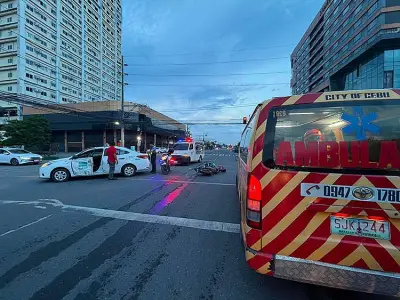
After years of delays, the CBRT began operations on March 13, 2026, yet many controversies arose. Commuters expressed frustration with the system, feeling “trapped” because buses stop only at central median stations, whereas jeepneys allow disembarking between stops. The traffic situation has also deteriorated, especially in areas like Fuente Osmeña and N. Bacalso, where dedicated BRT lanes created bottlenecks as buses merge with regular traffic.
Decades of Delays
The CBRT was first proposed in the 1990s and received formal national approval in 2014. More than a decade of delays has defined the project, marked by repeated postponements and shifting plans. This pattern reflects a wider struggle in the country, where large projects are vulnerable to changing leadership and political conflict.

As a student and daily commuter, I have personally experienced these shortcomings. During the first week of implementation, I was confused about how the system operated. One day, my travel time from Cebu City Medical Center (CCMC) to the Cebu South Bus Terminal doubled from the usual 15 minutes to 40 minutes.
Undermining the System
Allowing jeepneys to use the BRT’s dedicated lanes undermines the principle of a “rapid” transit system. The CBRT has become a symbol of the disconnect between policy intent and implementation. To address these challenges, the Cebu City Government needs to refocus on providing efficient, people-centered transportation. The city should commit to finishing the infrastructure, enforcing rules, and communicating clearly. Leaders must shift from reactive problem-solving to long-term, proactive planning to restore the public’s trust.