Cebu Governor's Personal Japan Trip Draws Public Scrutiny Amid Earthquake
Cebu Governor Pamela Baricuatro's personal trip to Japan from April 4 to 8, 2026, has ignited significant public criticism, despite her having obtained all necessary official approvals. The controversy centers on the timing of her absence, which coincided with a magnitude 5.1 earthquake that struck Bogo City, Cebu, on April 6, just two days after her departure.
Official Approvals and Legal Framework
Governor Baricuatro secured a Foreign Travel Authority (FTA) from the Department of the Interior and Local Government (DILG), confirming she met all requirements for the journey. The FTA approval, signed by DILG Secretary, indicates that any potential irregularities were addressed or corrected. Additionally, a leave of absence was issued for the personal trip, which is a prerequisite for the release of an FTA.
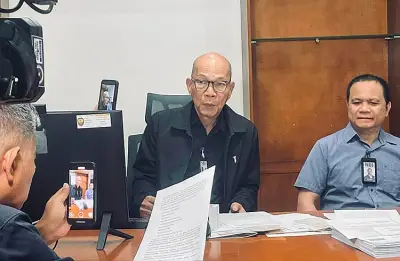
Vice Governor Glenn Soco was formally notified of the governor's trip and leave via a letter from DILG Provincial Director Jesus Trouel Sasitrillo Jr. The notice, delivered on April 6 at 12:41 p.m., experienced a two-day delay due to the Lent long vacation. The communication also included the designation of Provincial Board Member Lorenz Lagon as acting vice governor, ensuring continuity in leadership.

Criticism Over Lack of Public Notification
Critics have heavily focused on Governor Baricuatro's alleged failure to inform her constituents about her travel. Unlike her previous trips to Fujian, China, from February 4 to 6, 2026, and to Japan later that month, which were publicly announced, this journey was not disclosed to the public. Critics argue that, given her active public relations strategy, the omission appears intentional, possibly to downplay or hide the foreign travel.
One critic noted that the governor frequently shares social media content, such as reels or posts about dancing or official activities, but remained silent about her absence from the province and country. This has led to accusations of poor optics and a lack of transparency, especially in light of past incidents where local leaders faced backlash for traveling abroad during disasters.
Historical Context and Public Perception
The criticism is partly influenced by a similar incident in 2025, when several fifth district mayors in Cebu were condemned for traveling to London despite November floods in the region. Public perception turned negative as constituents suffered from Typhoon Tino while their leaders were abroad, highlighting a pattern of adverse spin on travel during crises.
In Governor Baricuatro's case, the earthquake occurred after she had already left the country, and there were no casualties or significant property damage. Moreover, Vice Governor Soco was legally positioned to assume the role of acting governor immediately, ensuring no disruption in leadership. However, opponents and independent critics have framed the situation as an act of apathy and abandonment, converting an innocent vacation into a political liability.
Governor's Camp and Political Dynamics
Governor Baricuatro's camp cannot easily dismiss the criticism, as they have previously engaged in similar tactics against political rivals. This historical context adds complexity to the situation, making it challenging for her to complain about the current backlash. The episode underscores the importance of optics in public relations and the need for leaders to balance personal activities with public expectations, particularly during potential emergencies.
Ultimately, while Governor Baricuatro adhered to legal protocols, the court of public opinion has rendered a harsh verdict, emphasizing that in politics, perception often outweighs procedure. The incident serves as a reminder for public officials to maintain transparency and consider the timing of their actions to avoid such controversies.