Cebu City Senior Citizens Continue Receiving Monthly Payments Amid Quarterly System Transition
The senior citizens of Cebu City will persist in obtaining their cash assistance on a monthly basis while authorities await the complete approval for reinstating the quarterly payout system. Despite the Cebu City Council having already approved the ordinance that would restore the quarterly distribution of financial aid, it has not yet reached Mayor Nestor Archival for his review and signature, preventing its immediate implementation.
Current Payment Structure and Legislative Status
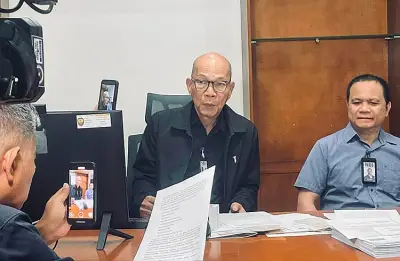
Consequently, the city government will proceed with a partial payout of P1,000 today, March 28, 2026, which corresponds to a single month's allocation, rather than the P3,000 lump sum originally designated under the quarterly scheme. Mayor Archival has confirmed that the ordinance, approved during the council session on March 19, 2026, has not yet arrived at his office.
This ordinance aims to revert the schedule for distributing financial assistance from monthly back to quarterly by amending the provisions of City Ordinance No. 2453. However, while it remains unsigned and unpublished, the city will stay in a transitional phase where beneficiaries are compelled to accept irregular or partial payments. The program provides a total of P12,000 annually to each qualified senior citizen.

Advocacy for Quarterly System and Operational Benefits
Councilor Pastor Alcover, who championed the amendment, stated that returning to the quarterly payout is intended to streamline operations and reduce fatigue among government staff. According to Alcover, shifting to a monthly payout would significantly increase the workload for city personnel, including payroll preparation and barangay deployment.
Furthermore, senior citizen groups also favor the quarterly payout because it minimizes transportation expenses and eliminates the need for frequent travel just to collect the assistance. Currently, the number of senior citizens in the city is estimated to have surpassed 90,000 individuals.