Davao del Sur's Comprehensive Health Initiative Reaches Every Barangay
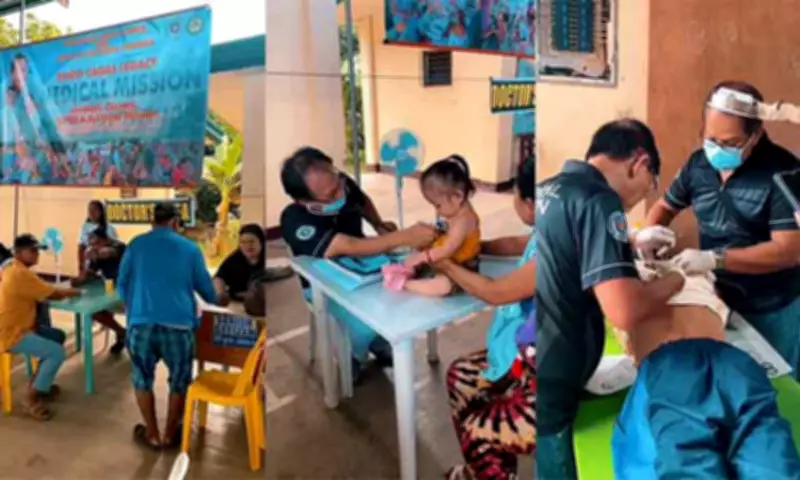
The provincial government of Davao del Sur has successfully extended its flagship medical and veterinary mission program to all 232 barangays across the province. This ongoing initiative delivers essential healthcare services directly to underserved communities three to four times weekly throughout the year, demonstrating a sustained commitment to public health accessibility.
Comprehensive Services for Residents and Animals
The program offers an extensive range of free medical services including prenatal checkups, pediatric and adult consultations, medication distribution, eye examinations, dental care, minor surgical procedures such as cyst and wart removal, and circumcision services. Simultaneously, veterinary components provide anti-rabies vaccinations, vitamin supplements, and deworming treatments for animals.
Medical professionals from the Davao del Sur Provincial Hospital collaborate with personnel from the Provincial Veterinary Office, working in coordination with barangay officials and local health workers to ensure efficient service delivery tailored to community needs.

Barangay Leaders Express Profound Gratitude
Barangay Captain Roger Palermo of New Clarin, Bansalan, whose community hosted the first mission of 2026 on February 4, expressed overwhelming appreciation for the program. "To be honest, I am very happy with what was done today — the medical mission of our province — which we were truly given the go-ahead by our beloved governor. This year, our barangay is the very first to conduct a medical mission in 2026," Palermo stated, emphasizing the opportunity to enhance constituent health.
In Brgy. Barayong, Magsaysay, Barangay Captain Exequiel D. Elentorio echoed these sentiments during the February 5 mission. "We are very happy and grateful, especially to our governor and vice governor, for conducting this activity. This is done every year, and whenever we make a request, they even ask what Barangay Barayong needs. As long as the province can provide it, they are always ready to serve," Elentorio noted, praising the consistent support from provincial leadership.
Barangay Captain Isabelo R. Renejane of Langa-an, Matanao, expressed heartfelt thanks on February 6 for the sustained assistance. "We are very thankful to the leadership of the provincial government of Davao del Sur, headed by Ma'am Yvonne Cagas, together with her spouse, Vice Governor Marc Cagas. I am deeply thankful that they continuously conduct these activities — they are consistent, holding a medical mission in our barangay every year," Renejane affirmed.
Addressing Healthcare Gaps in Geographically Isolated Areas
These medical and veterinary missions play a critical role in bridging healthcare disparities faced by geographically isolated and disadvantaged areas (GIDAs). According to the Department of Health's Universal Health Care policy, such communities experience elevated morbidity and mortality rates due to limited access to quality health services, inadequate facilities, and logistical challenges.
Health experts emphasize that accessibility barriers in remote regions exacerbate health inequities, restricting preventive care, early disease detection, and chronic condition management. Vulnerable populations including children, elderly individuals, and pregnant women face particular disadvantages without such intervention programs.
Sustained Impact and Community Health Enhancement
The provincial government's mission extends beyond immediate treatment to strengthen community health awareness and disease prevention strategies. Through partnerships with barangay health workers and local officials, services are customized to address specific community requirements.
Veterinary components simultaneously protect animal welfare and public health by addressing issues like rabies transmission that threaten households and livestock. Officials highlight how these missions decentralize healthcare access, bringing essential services closer to residents who may lack financial resources or physical capability to travel to urban medical facilities.

This comprehensive approach supports broader public health objectives under the Universal Health Care framework while demonstrating how localized government initiatives can create meaningful, sustained impact across entire provinces.