DSWD-Davao Denies Allegations of Converting Livelihood Funds to Grocery Vouchers in Mati City
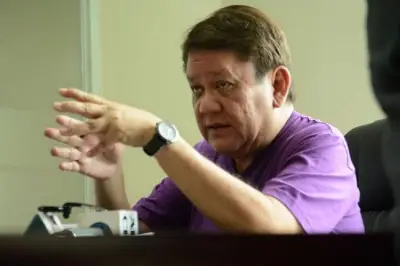
The Department of Social Welfare and Development-Davao Region (DSWD-Davao) has firmly denied claims that the P15,000 Seed Capital Fund (SCF) for beneficiaries of the Sustainable Livelihood Program (SLP) in Mati City, Davao Oriental was converted into grocery vouchers. Regional Director Rhuelo D. Aradanas issued a clarification on Thursday, April 16, 2026, addressing viral social media posts that alleged improper handling of the funds.
Official Guidelines and Program Integrity
According to Aradanas, the SLP guidelines, as stated in Memorandum Circular 03, series of 2025, mandate that the seed capital is directly released to beneficiaries and must be used exclusively for their proposed microenterprises. "There is no agreement or directive from DSWD to any office to convert cash grants into vouchers or to designate any grocery store," he emphasized. Before funds are disbursed, beneficiaries undergo an orientation where it is clearly explained that the SCF should be allocated for approved livelihood projects, not for personal consumption.
Aradanas stressed that the integrity of the program is non-negotiable, with the office upholding principles of transparency, accountability, and proper use of government resources. He added that if any conversion of SCF into grocery vouchers has occurred, it is unauthorized, not facilitated by the department, and not required by the program. The office plans to conduct validation and monitoring to ensure compliance with guidelines, though no formal investigation has been initiated due to the absence of official complaints.

Strong Stance Against Allegations
In a bold move, Aradanas declared that if it is proven that DSWD employees were involved in converting the SCF into grocery coupons, he would immediately resign. "This is how confident I am that there is no truth to the claims that the department is involved," he stated. He noted that the department maintains records of beneficiaries and photos of fund distribution, but acknowledged that post-distribution activities are beyond their direct control.
Aradanas encouraged affected individuals to file complaints against those responsible, offering free legal assistance to facilitate the process. "I myself am challenging or encouraging someone to come forward as a complainant so that we can at least help them — we'll provide a lawyer for free," he said. He revealed that similar issues have arisen in the past, with an ongoing case in another program, highlighting the department's proactive approach to addressing such concerns.
Social Media Allegations and Response
The controversy stemmed from a viral Facebook post by Mac BogBangas Amora on April 15, 2026, questioning the conversion of the P15,000 SCF into grocery vouchers for a store in Mati City. Amora speculated that with approximately 900 beneficiaries, the alleged conversion could amount to P13.5 million, potentially benefiting the grocery store disproportionately. He also raised concerns about beneficiary validation and the need for an investigation.
In response, Aradanas indicated that the department is considering filing a case against the individual for cyber libel, as the post implies DSWD responsibility for the conversion. He reiterated that no such directive exists and urged the public to rely on official channels for accurate information.
Program Background and Recent Distribution
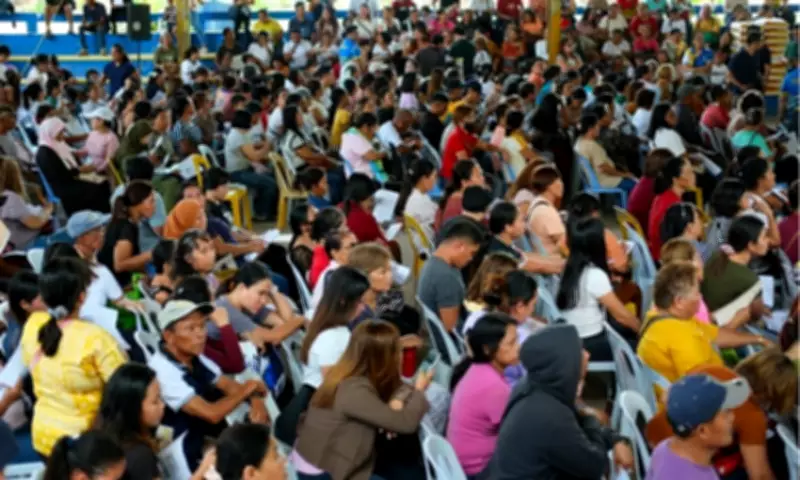
Prior to the allegations, DSWD-Davao conducted the release of SCF to SLP beneficiaries in Mati City on April 10, 2026. Dexter M. Lara, SLP regional program coordinator, reported that 943 beneficiaries received their funds, with only four unable to claim due to being in Manila. No complaints were raised during the distribution, and a grievances desk was available for any concerns.
The Sustainable Livelihood Program is a community-based initiative designed to assist poor, vulnerable, and marginalized households through seed capital and skills training for sustainable microenterprises. In the Davao Region, the program has a budget of P156 million, with P77 million already distributed as of April 2026. The department remains committed to ensuring that funds are used as intended to support economic empowerment and development.